Deep, infrequent watering in July keeps California landscapes healthier than daily shallow sprinkles — and cuts your water bill in the process.
- Water deeply 1–2 times per week, not daily
- Irrigate before 8 a.m. to reduce evaporation losses
- Mulch 3–4 inches deep to lock in soil moisture
- Established native plants need far less summer water
- Adjust schedules by soil type — clay holds, sand drains
Watering wisely means matching irrigation depth, frequency, and timing to each plant's actual root-zone needs rather than relying on a fixed daily schedule — a practice that conserves water while producing stronger, deeper-rooted landscapes across California's dry summer climate.
| Factor | Detail |
|---|---|
| Best Watering Time | Before 8 a.m. (reduces evaporation by up to 30%) |
| Frequency — Established Trees | Deep soak every 7–14 days |
| Frequency — Perennials & Shrubs | 1–2 deep waterings per week |
| Frequency — New Plantings | 2–3 times per week for first summer |
| Mulch Depth | 3–4 inches of organic mulch around root zones |
| Soil Check Method | Finger test 3–4 inches deep; water only when dry at that depth |
Why do most California gardeners overwater in July?
Hot weather triggers the instinct to water daily, but shallow, frequent irrigation trains roots to stay near the surface where they dry out fastest. The result is weaker plants that demand even more water — a vicious cycle. Studies from UC Cooperative Extension confirm that deep, less-frequent irrigation drives roots 12–18 inches down, where soil stays cool and moist even during triple-digit weeks.
- Shallow watering creates a dependency loop — roots never reach deeper moisture
- Overwatered soil invites root rot, fungal diseases, and pest pressure
- Lawns account for roughly 50% of residential outdoor water use in California
- Switching to soak-and-dry cycles can cut landscape water use by 20–40%

How should you adjust watering for different soil types?
Clay soils absorb water slowly but hold it for days, so they need longer, less frequent irrigation. Sandy soils drain fast and benefit from shorter, slightly more frequent sessions. Loam sits in the middle. Knowing your soil type is the single biggest factor in building an efficient July schedule.
- Clay: water slowly (cycle-and-soak method) every 7–10 days
- Sand: shorter runs every 4–5 days to prevent deep drainage loss
- Loam: deep soak once per week is usually sufficient
- Add compost annually to improve water retention in any soil type
When and how long should you run irrigation in July?
Early morning — ideally between 5 a.m. and 8 a.m. — is the gold standard. Wind is calm, temperatures are low, and foliage dries quickly, which slashes evaporation and disease risk. Run drip systems 30–60 minutes per zone; sprinklers 15–20 minutes with a 30-minute rest between cycles to let water soak in before runoff starts.
- Morning watering reduces evaporation by up to 30% versus midday
- Evening watering leaves foliage wet overnight, inviting powdery mildew
- Use a rain gauge or tuna can to measure sprinkler output — aim for ½–1 inch per session
- Drip irrigation delivers water directly to roots with minimal waste

Which plants actually need less water in a California July?
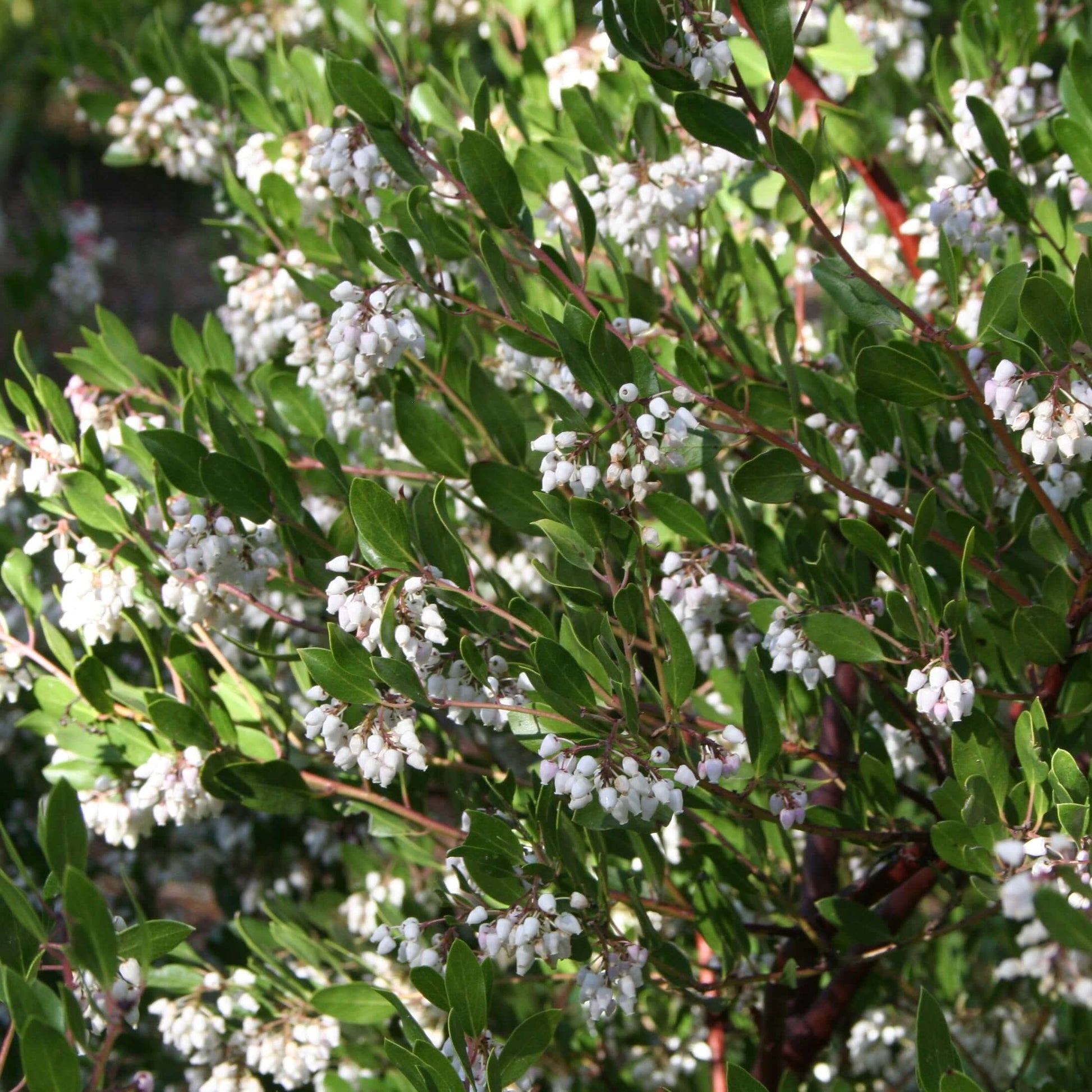
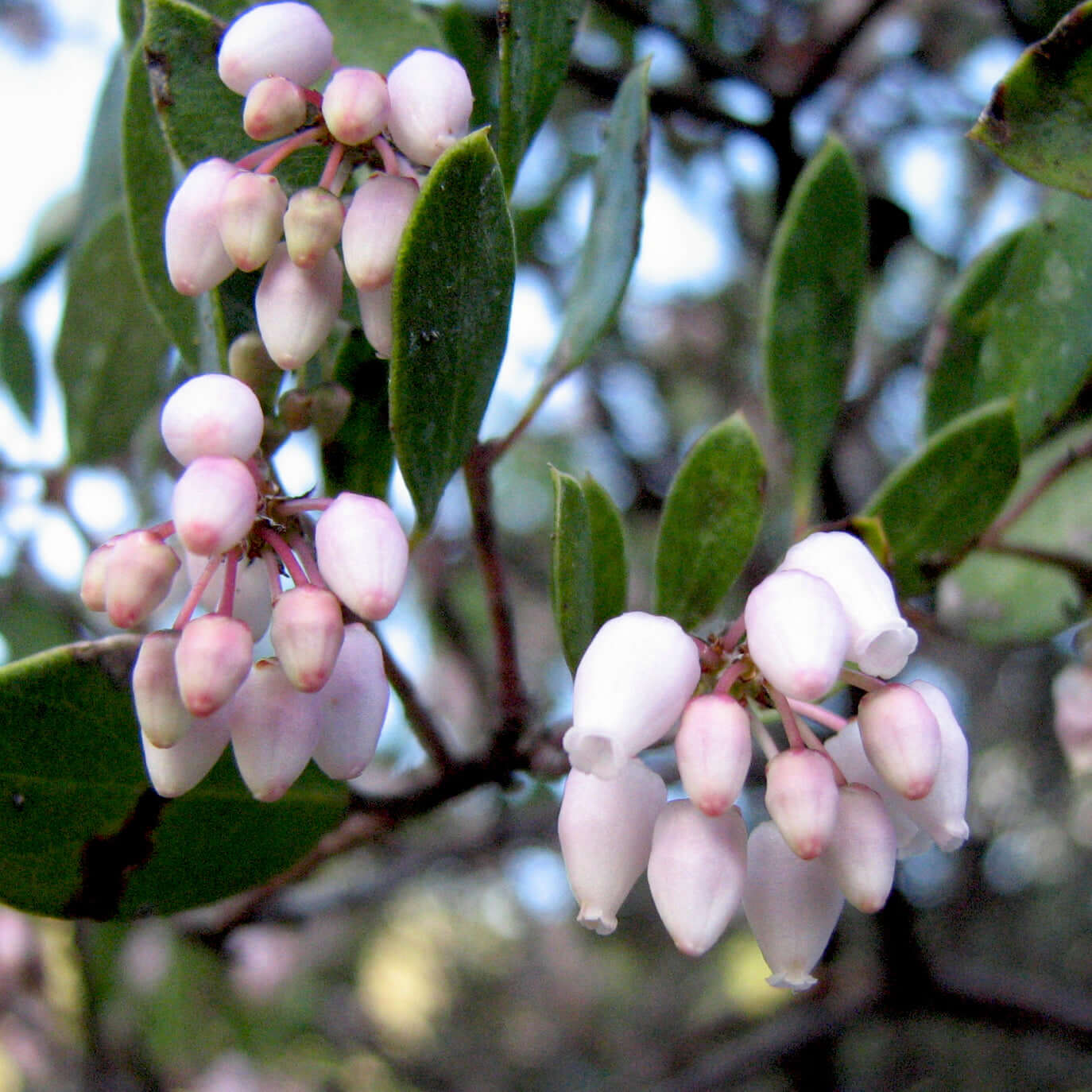
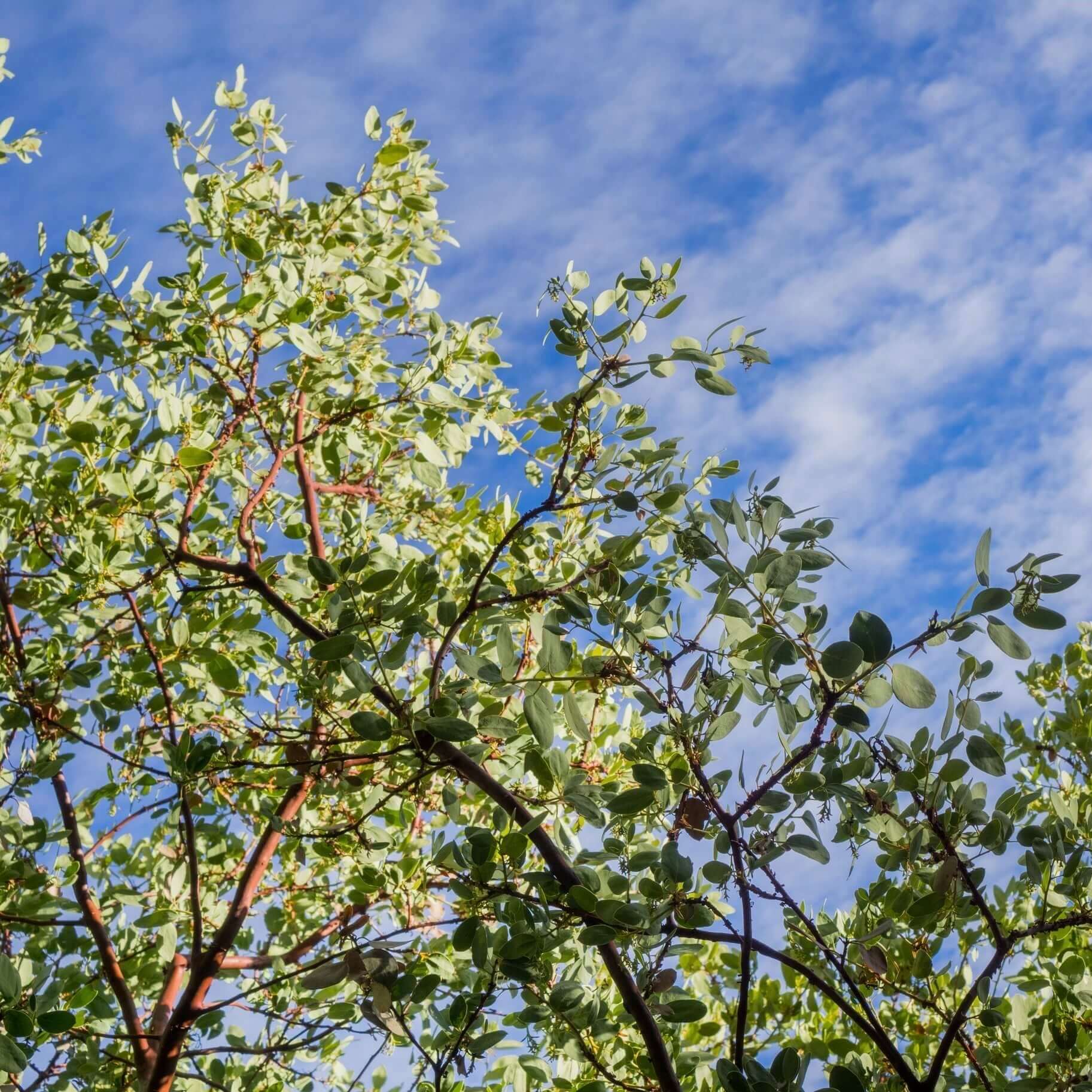
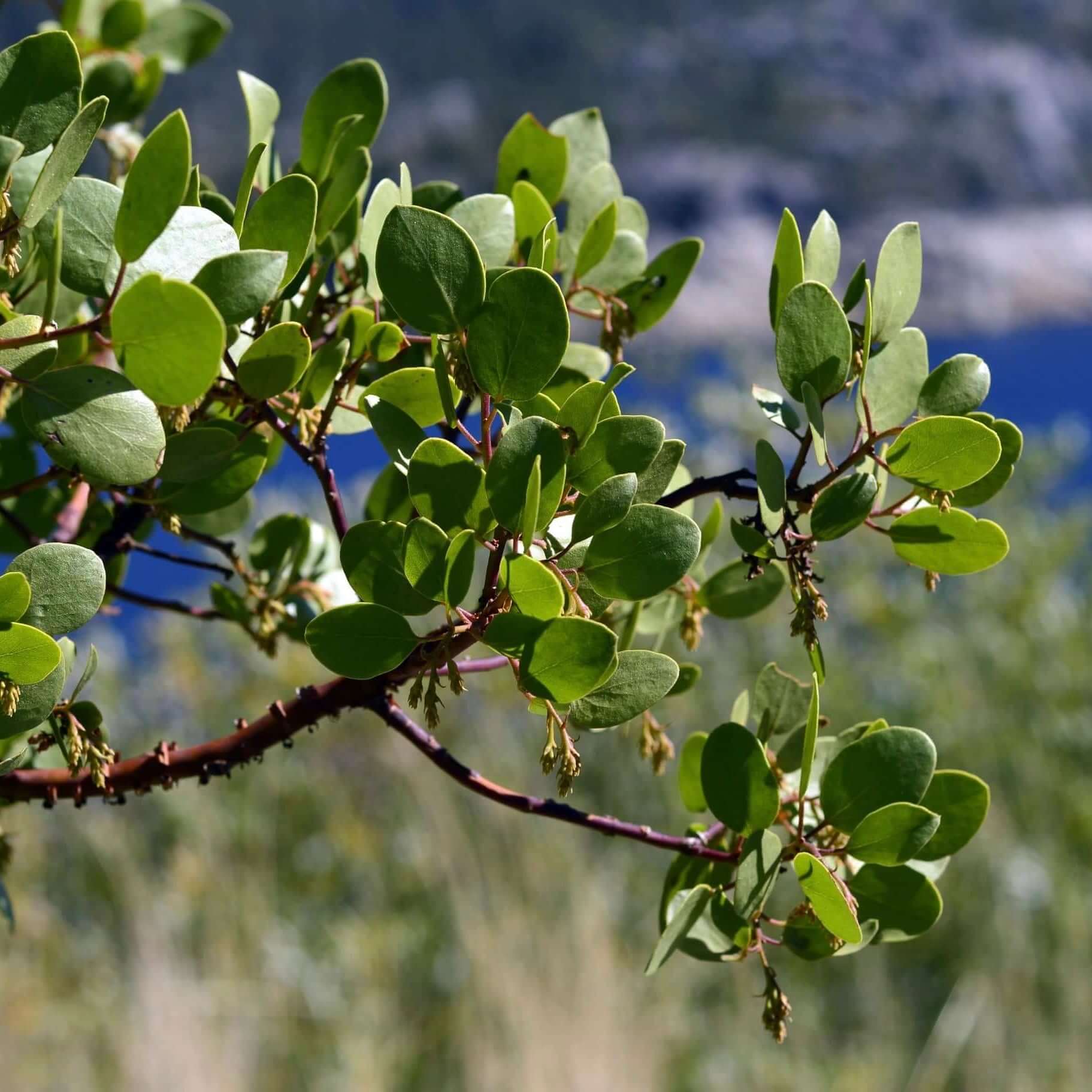
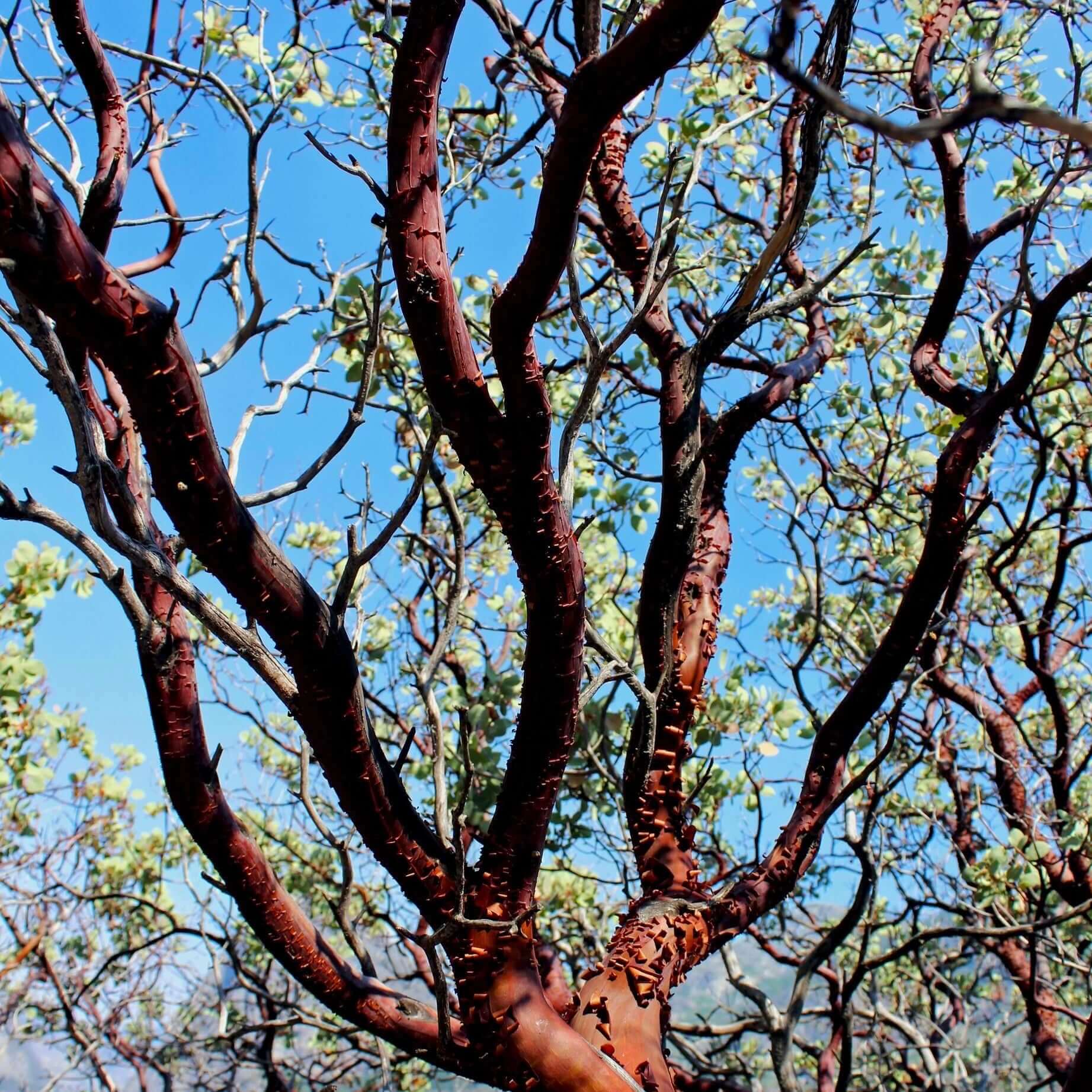
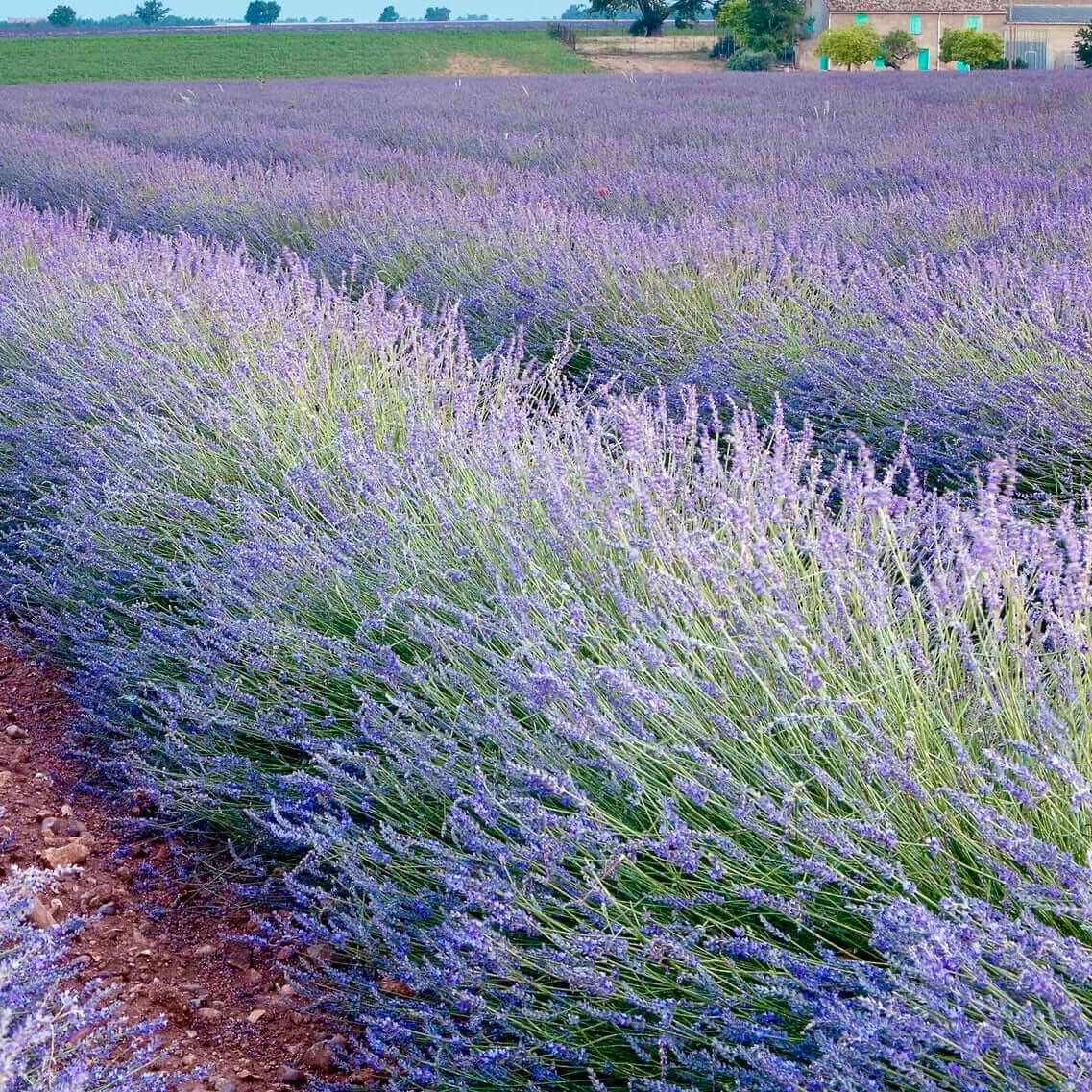
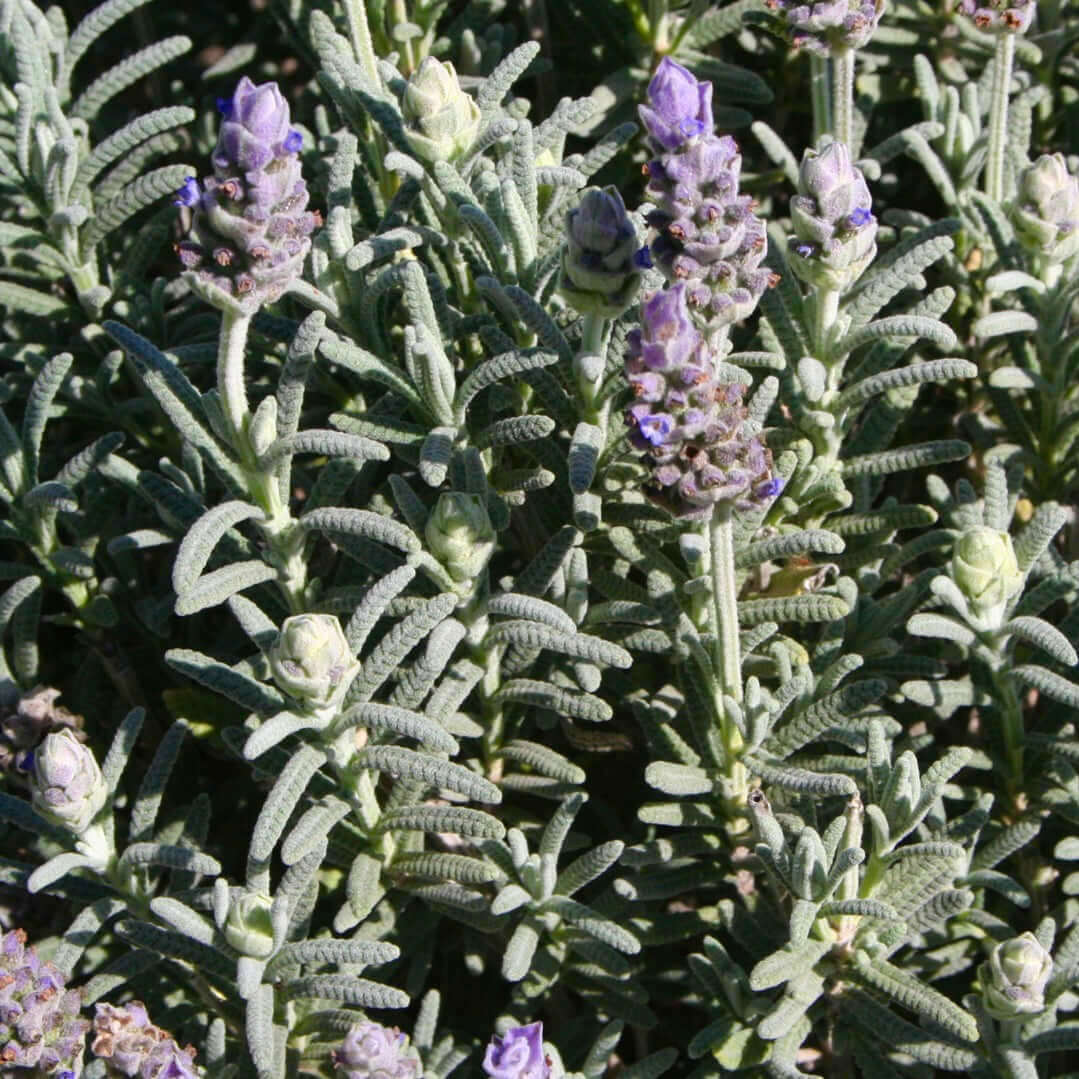
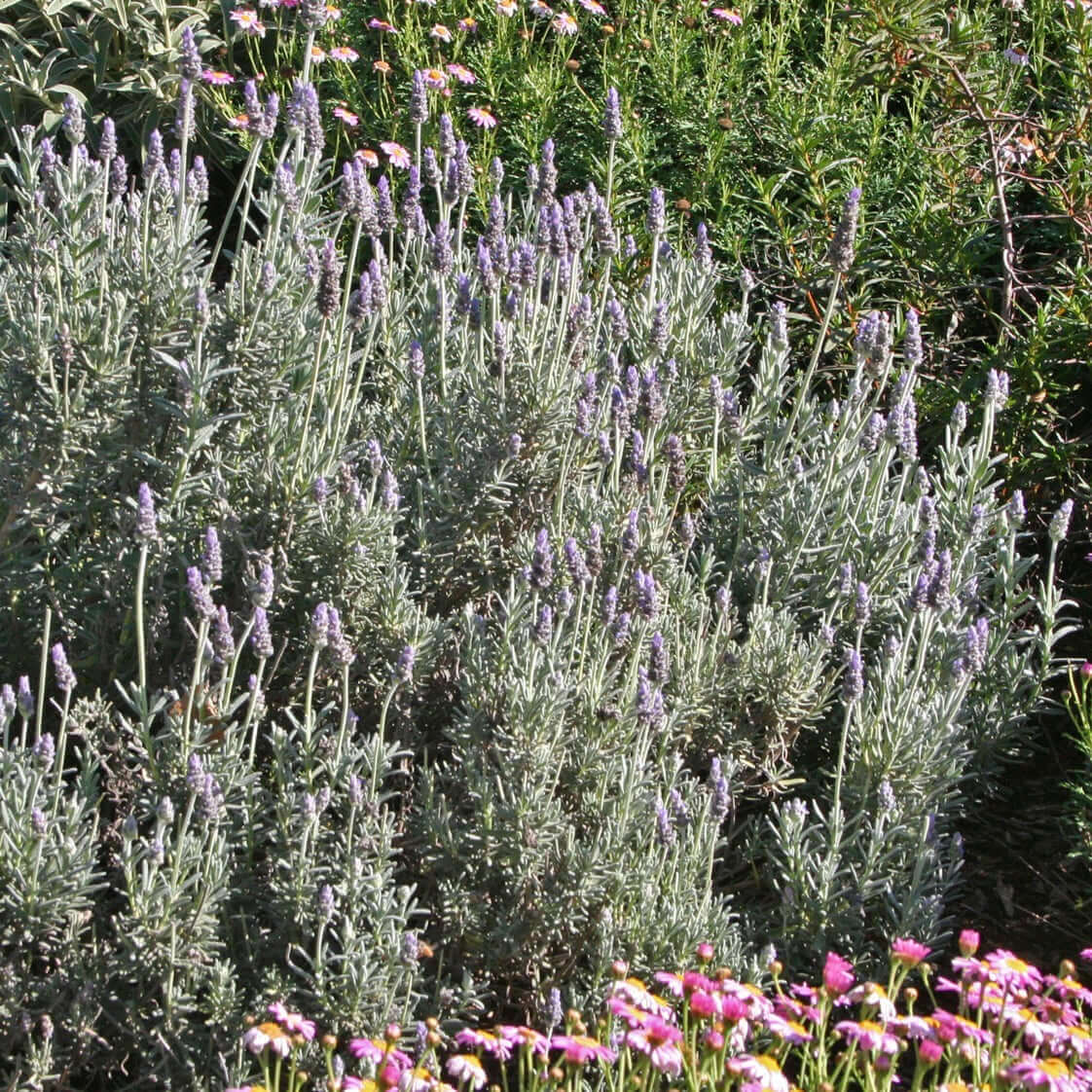
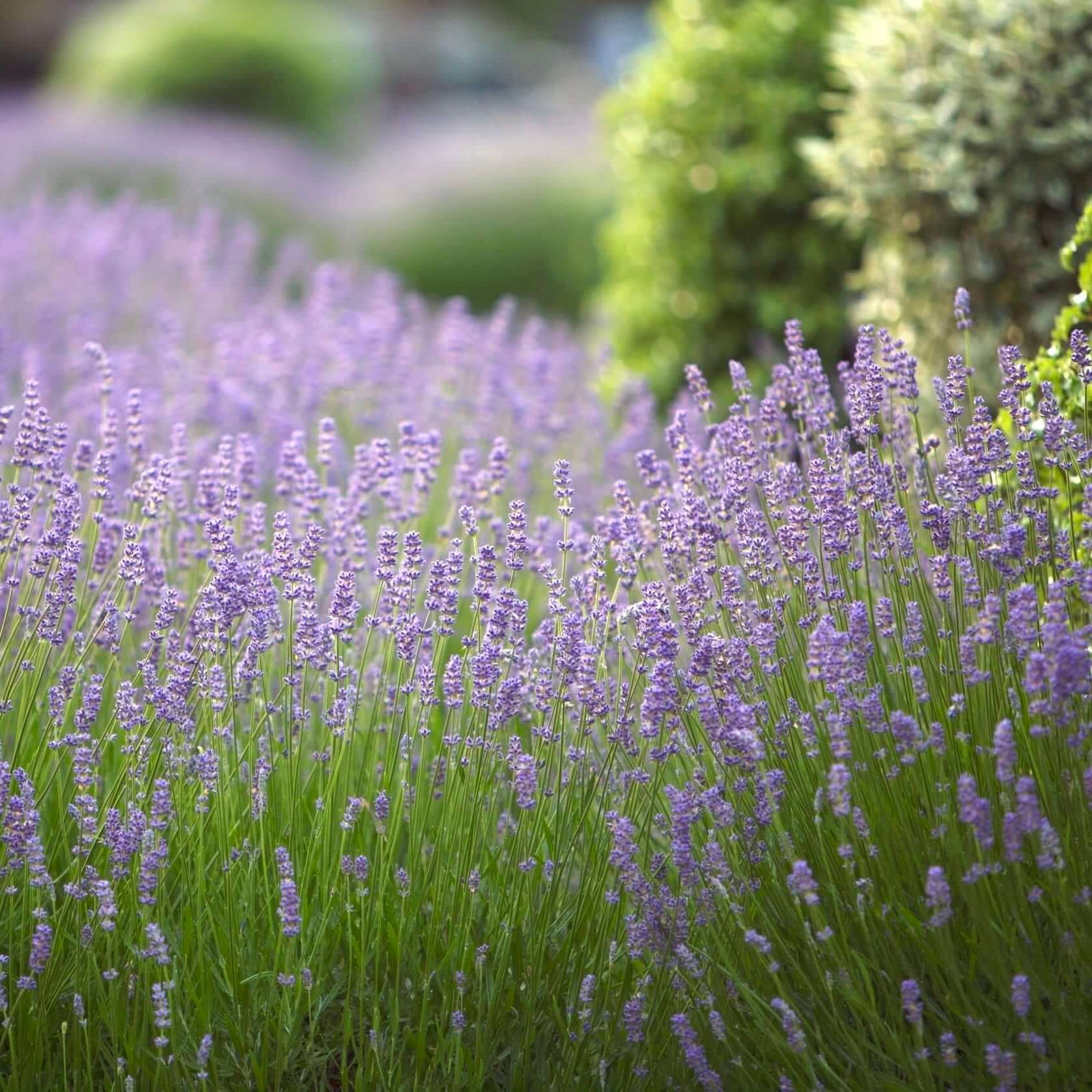
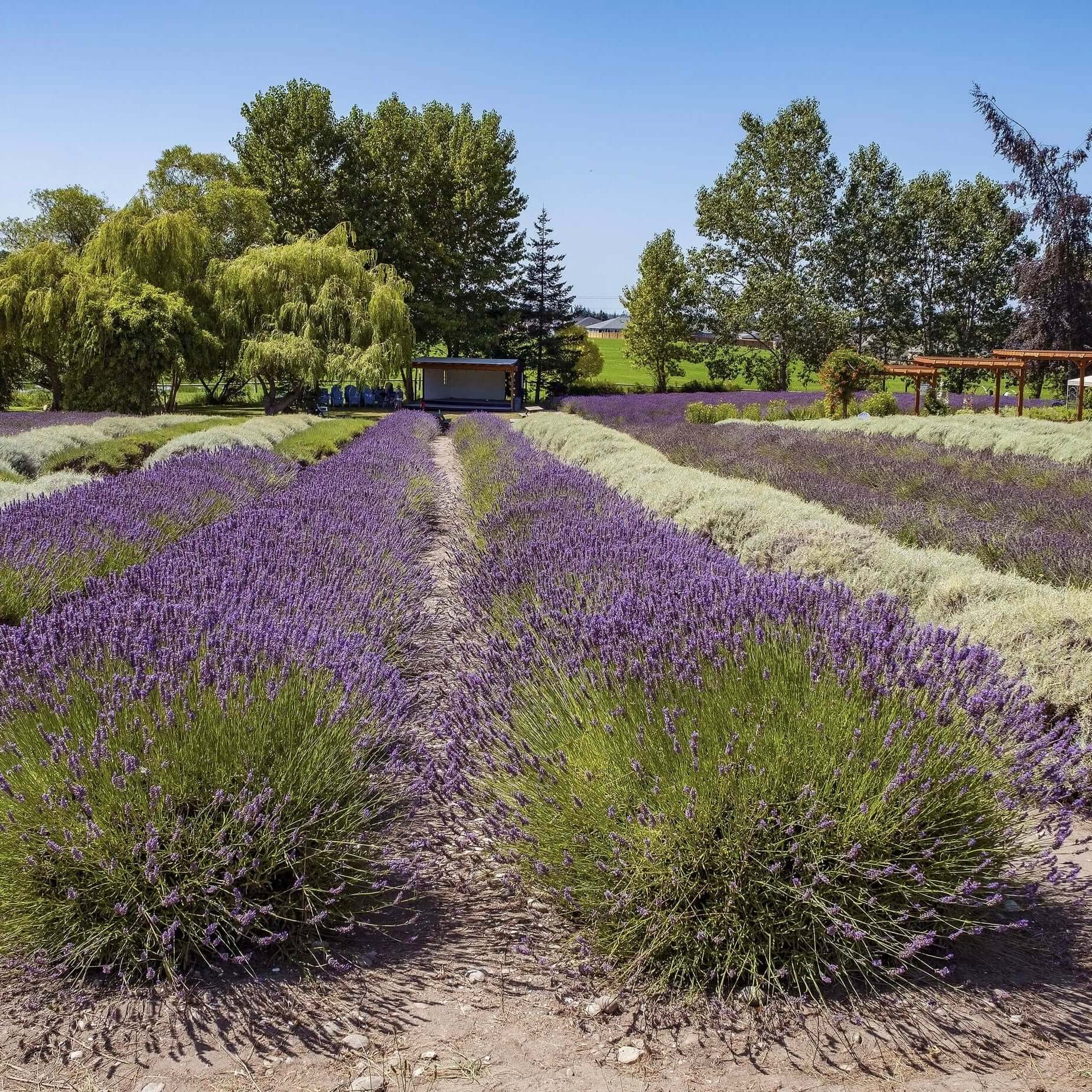
Established California natives and Mediterranean-climate plants evolved with bone-dry summers. Overwatering them in July does more harm than drought. Once through their first or second summer, species like manzanita, ceanothus, and lavender perform best on little to no supplemental irrigation during peak heat.
- Manzanita, ceanothus, and toyon thrive on natural rainfall once established
- Lavender and rosemary prefer dry feet — excess water causes root rot
- Succulents and agaves store moisture internally and need watering only every 2–3 weeks
- Citrus and fruit trees still need consistent deep soaks every 7–10 days through summer
Frequently Asked Questions
Q1: How often should I water my garden in July in California?
Most established landscapes do best with 1–2 deep waterings per week rather than daily shallow sprinkles. New plantings may need water 2–3 times per week until roots establish. Always check soil moisture 3–4 inches down before turning on the hose.
Q2: What time of day is best for watering in summer?
Water before 8 a.m. when temperatures and wind are lowest. This reduces evaporation by up to 30% and allows foliage to dry before evening, lowering disease risk.
Q3: Is drip irrigation better than sprinklers for California gardens?
Yes — drip irrigation delivers water directly to the root zone with minimal evaporation or runoff. It's especially effective for trees, shrubs, and perennial beds. Sprinklers still make sense for lawns, but cycle-and-soak scheduling helps prevent waste.
Q4: How do I know if I'm overwatering my plants?
Yellowing lower leaves, mushy stems, fungus gnats, and a sour smell near the soil surface are common signs. Push a screwdriver into the ground — if the top 6 inches feel soggy a full day after watering, you're overdoing it.
Q5: Does mulch really help conserve water?
A 3–4 inch layer of organic mulch can reduce soil moisture loss by up to 70% and keep root-zone temperatures 10–15 °F cooler. Keep mulch a few inches away from trunks and stems to prevent rot.
Q6: Should I water California native plants in July?
Most established California natives prefer dry summers and need little to no supplemental irrigation once their roots are developed (usually after 1–2 years). Overwatering natives like manzanita or ceanothus in summer can cause fatal root diseases.
Get yours from PEX
Ready to build a landscape that thrives on less water this July? Browse drought-adapted trees, shrubs, and perennials grown right here in California — shipped fresh to your door.
Browse all plants