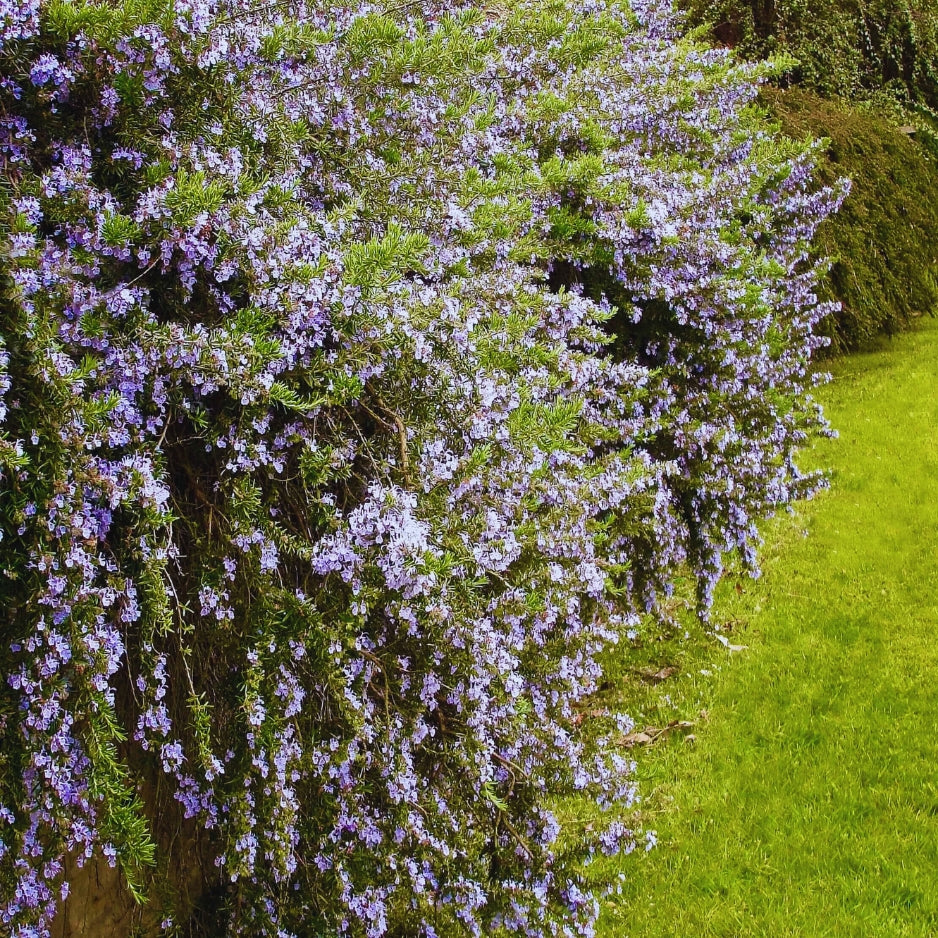
Several proven evergreen shrubs laugh off triple-digit summers in zones 7–11 while keeping your landscape green year-round.
- Choose species rated for your USDA zone and local heat
- Deep, infrequent watering beats daily sprinkles every time
- Mulch roots 3–4 inches deep to cool the root zone
- Most heat-tough evergreens need full sun to part shade
- Plant in fall for root establishment before summer stress
Heat-tolerant evergreen shrubs are woody plants that retain their foliage through every season including the punishing summers of USDA zones 7 through 11—providing year-round structure, privacy, and color in California and other warm-climate landscapes.
| Factor | Detail |
|---|---|
| Light | Full sun to partial shade (6+ hours direct sun for most species) |
| Water | Deep soak every 7–14 days once established; more frequent for new plantings |
| Hardiness Zones | USDA 7–11 (species-dependent) |
| Soil | Well-drained; most tolerate clay if drainage is adequate |
| Mature Size | 3–15 ft tall depending on species and cultivar |
| Best Planting Time | Fall through early spring for root establishment |
Which Evergreen Shrubs Handle the Worst Summer Heat?
The shrubs that consistently perform in zones 7–11 share a few traits: leathery or waxy leaves that limit moisture loss, deep root systems, and origins in Mediterranean, subtropical, or arid climates. Species like Texas Sage (Leucophyllum frutescens), Oleander (Nerium oleander), Indian Hawthorn (Rhaphiolepis indica), Pittosporum, and certain Ceanothus cultivars keep their foliage dense and green when summer temps crack 100 °F.
- Texas Sage blooms heaviest after summer monsoon humidity—heat is its trigger
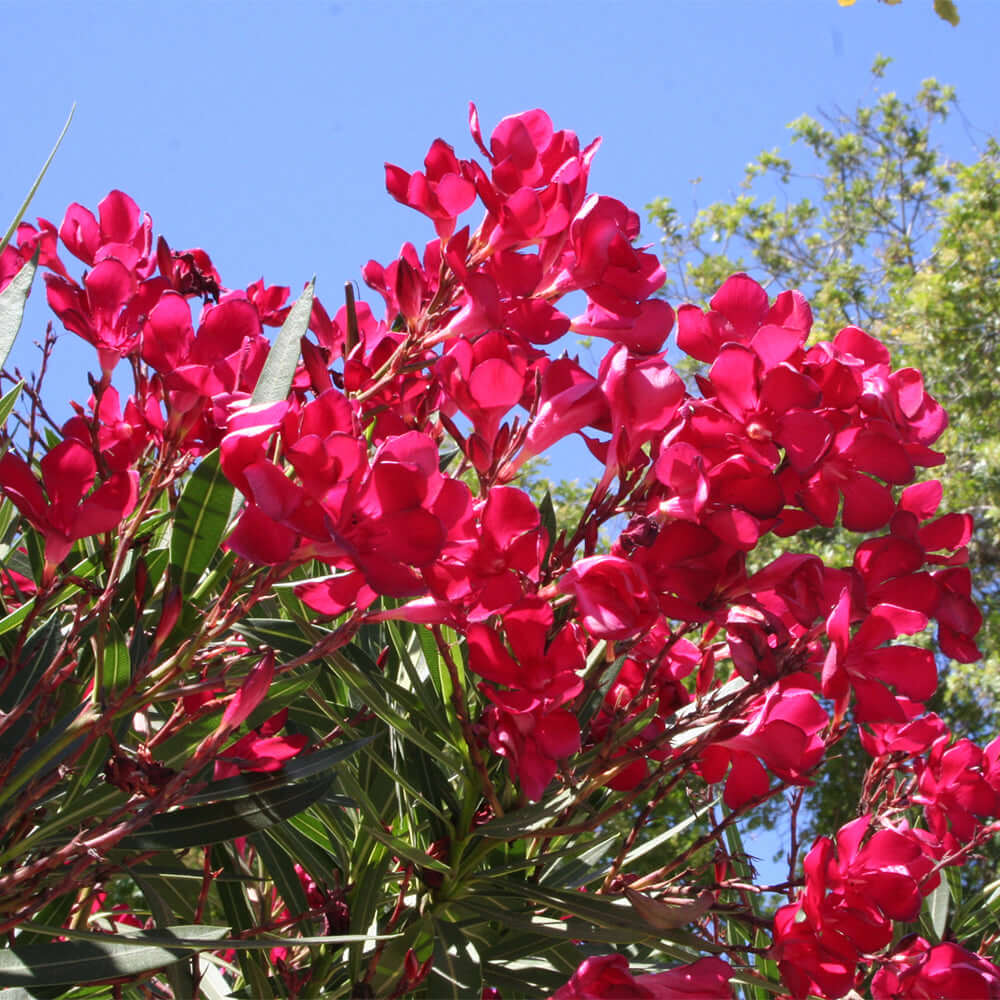
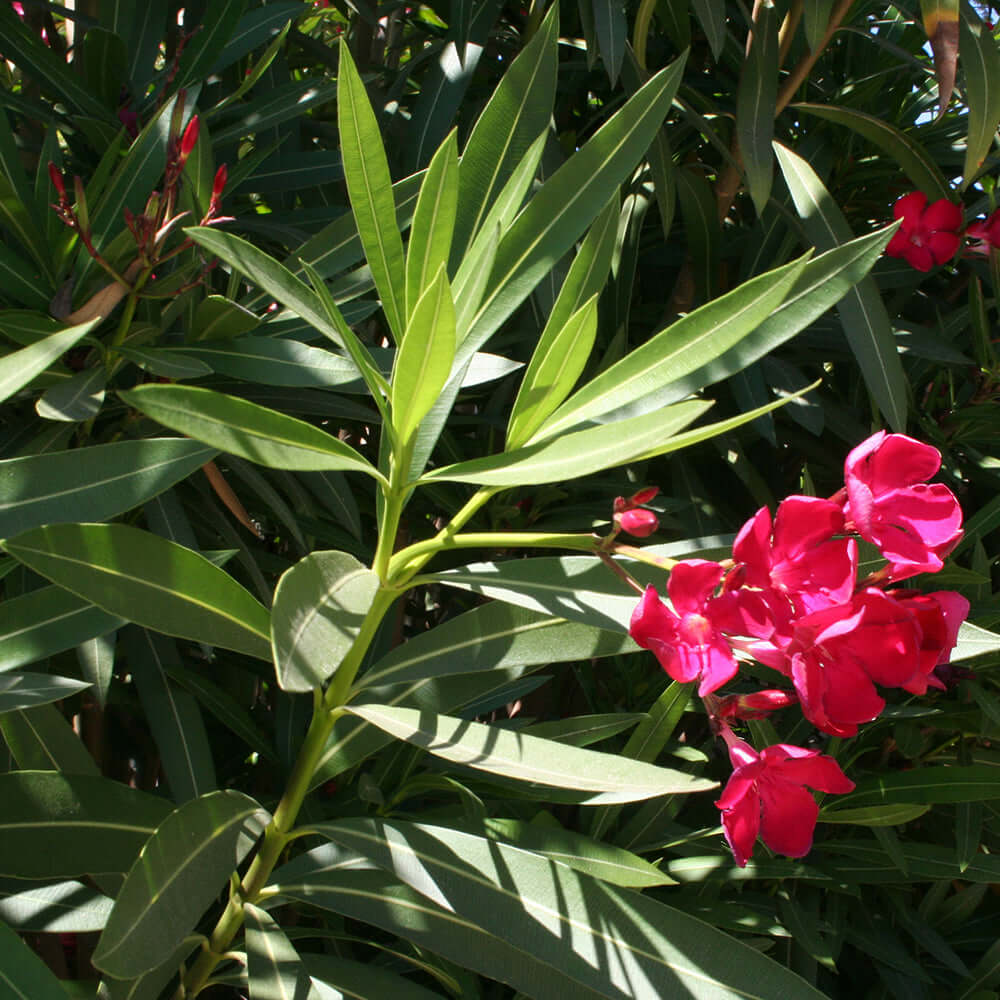
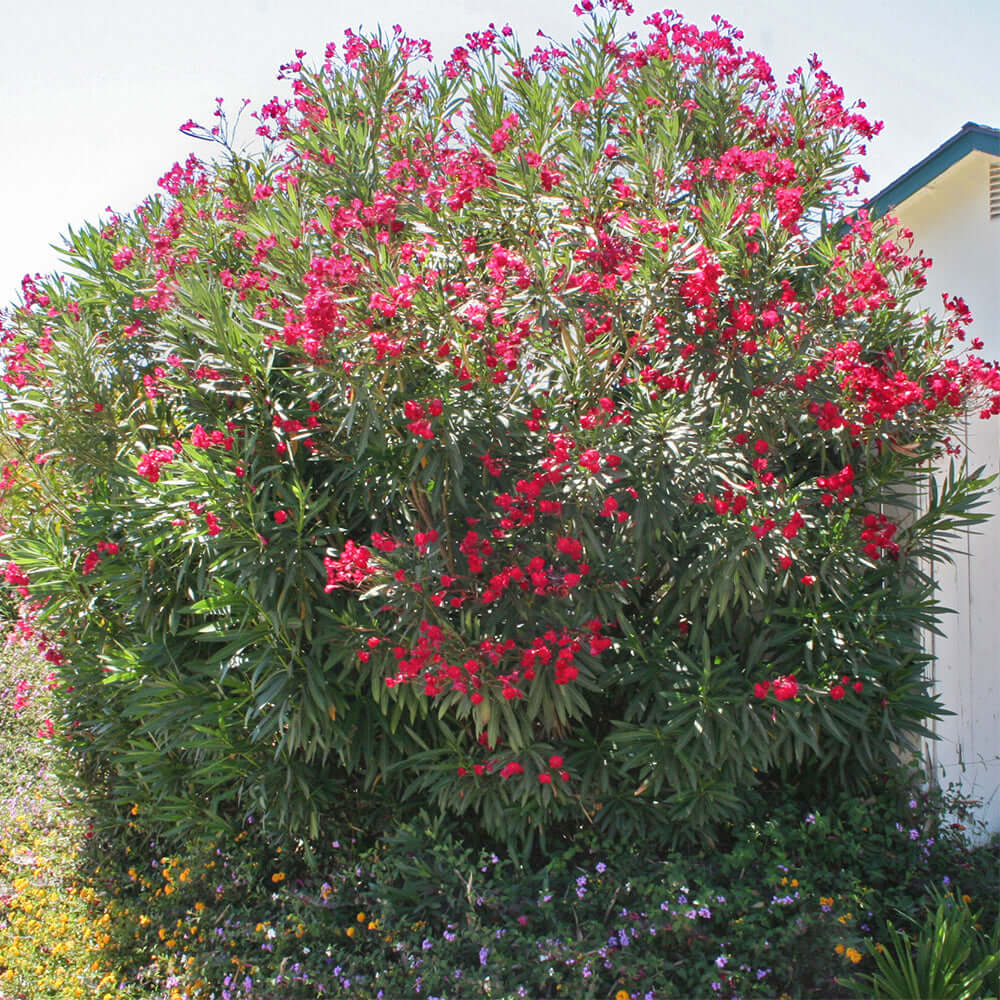
- Oleander tolerates reflected heat from pavement and walls with ease
- Indian Hawthorn stays compact (3–5 ft) and handles coastal or inland heat
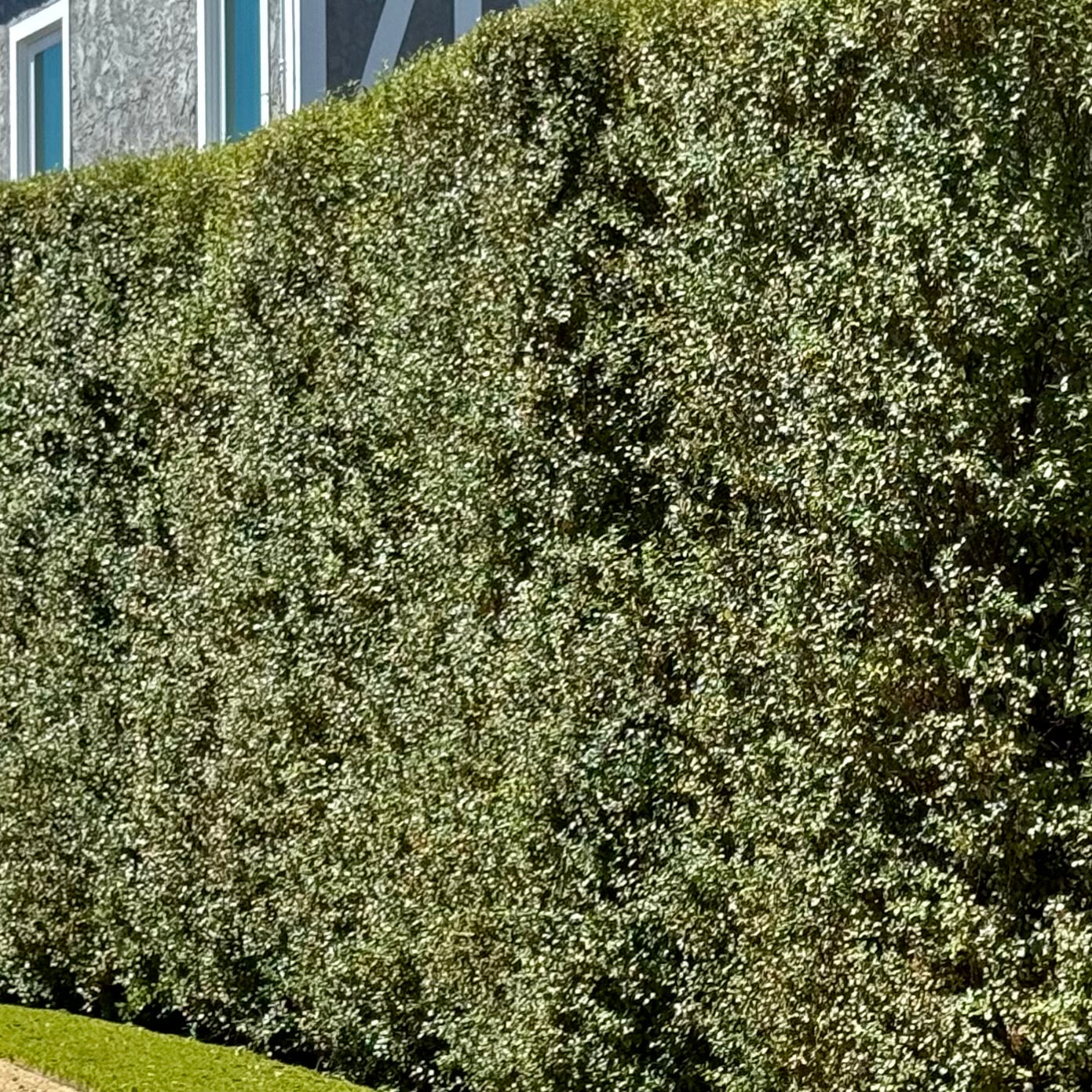
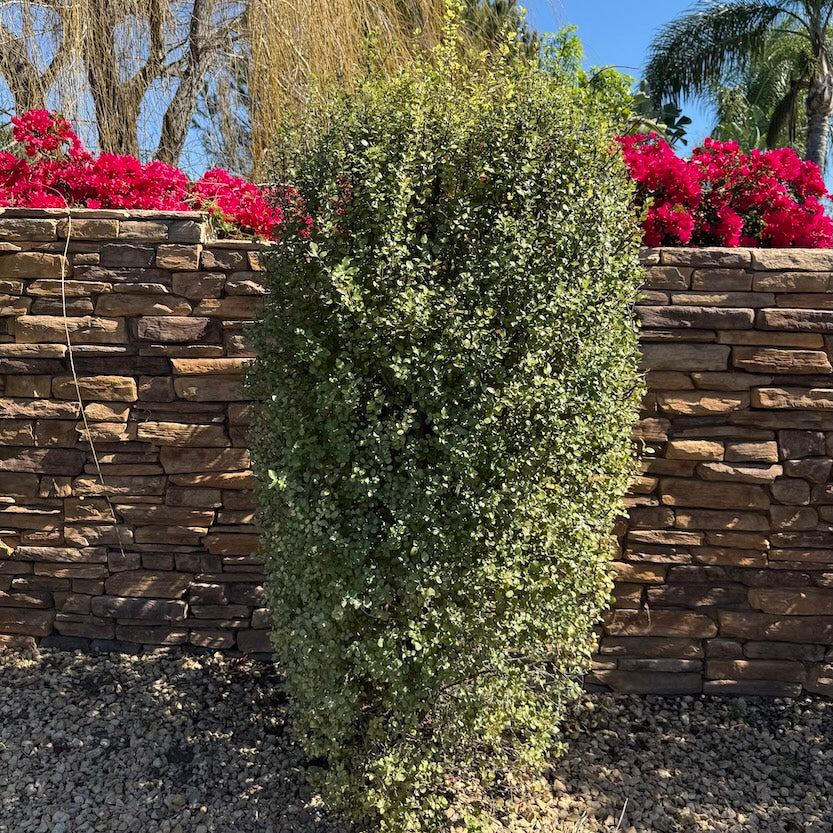
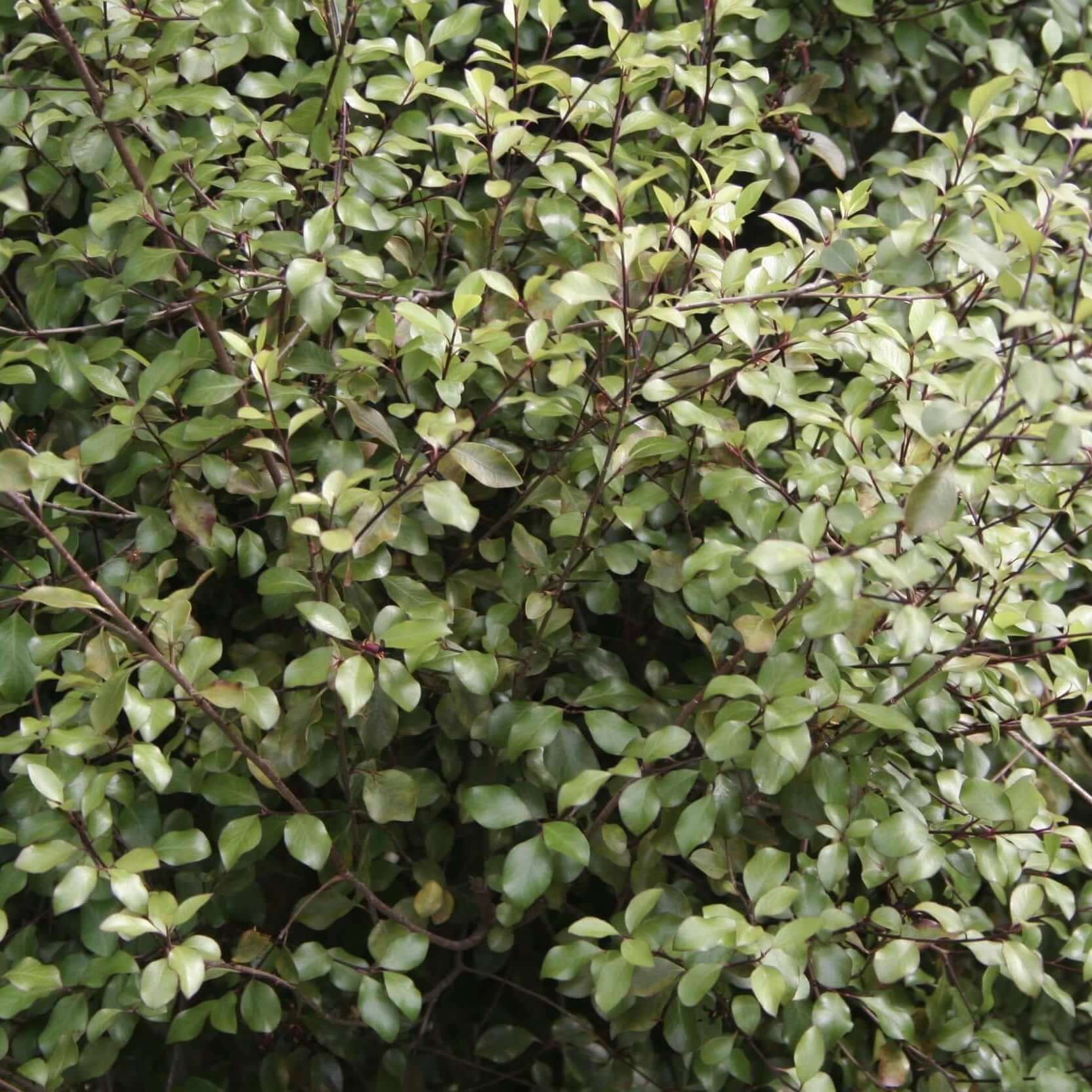
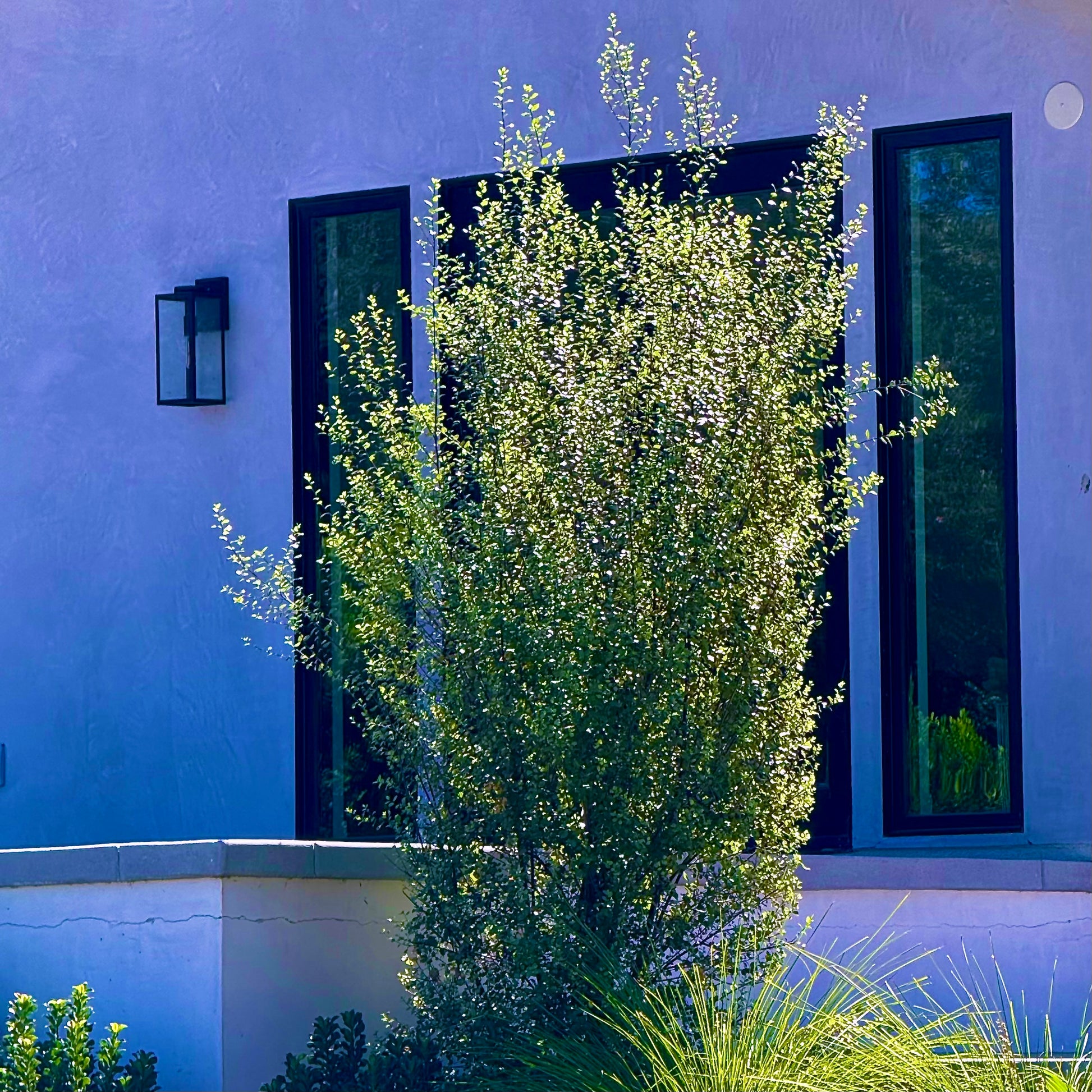
- Pittosporum tenuifolium offers fine-textured screening to 12 ft
- Ceanothus 'Dark Star' thrives on neglect once roots are set
 How Should You Water Evergreen Shrubs in Extreme Heat?
The single biggest killer of heat-zone evergreens is shallow, frequent watering that keeps roots near the surface where soil temps spike. Deep irrigation every 7–14 days forces roots downward into cooler soil layers. New plantings need more frequent water for the first two summers, then you taper off aggressively.
- Water at the drip line, not the trunk—feeder roots extend outward
- Apply 3–4 inches of organic mulch but keep it 4 inches from the stem
- Morning watering reduces evaporation loss by up to 30%
- Signs of heat stress: leaf curl, margin scorch, premature leaf drop
When Is the Best Time to Plant for Summer Survival?
Fall planting gives evergreen shrubs the longest runway to push roots before heat arrives. In zones 9–11 along the California coast and Central Valley, October through February is the sweet spot. Zones 7–8 gardeners should aim for September through November or early March, after the last hard frost but well before summer.
- Fall-planted shrubs get 6–8 months of root growth before first real heat
- Avoid planting in June–August unless you can water daily for weeks
- Container-grown stock transitions faster than bare-root in warm zones
- Amend heavy clay with compost at planting to improve drainage and aeration
Why Do Some Evergreens Fail in Hot Zones?
Not every "evergreen" label means heat-proof. Species from cool-temperate climates—like English Boxwood, certain Rhododendrons, and mountain-origin conifers—scorch, defoliate, or die outright when summer soil temps exceed 85 °F consistently. Choosing the right genetics is 90% of the battle; the other 10% is not overwatering.
- English Boxwood browns out above zone 8 without afternoon shade
- Mountain Laurel (Kalmia) struggles below 3,000 ft in California heat
- Overwatering in heat promotes root rot faster than drought kills
- Match the plant's native climate to your microclimate for best results

Frequently Asked Questions
Q1: What is the most heat-tolerant evergreen shrub for full sun?
Texas Sage (Leucophyllum frutescens) is one of the toughest options, thriving in full sun with reflected heat and requiring almost no supplemental water once established. Oleander is another bulletproof choice for zones 8–11.
Q2: Can evergreen shrubs survive zone 10–11 summers without extra water?
Several can once fully established (2–3 years in-ground), including Texas Sage, Ceanothus, and Grevillea. Most other evergreens still benefit from a deep soak every two to three weeks during peak heat.
Q3: How do I keep evergreen shrubs green during a heatwave?
Give one deep, slow watering at the start of the heatwave, apply fresh mulch to insulate roots, and avoid pruning or fertilizing during extreme heat. Stressed plants redirect energy to survival, not new growth.
Q4: Are there deer-resistant evergreen shrubs for hot climates?
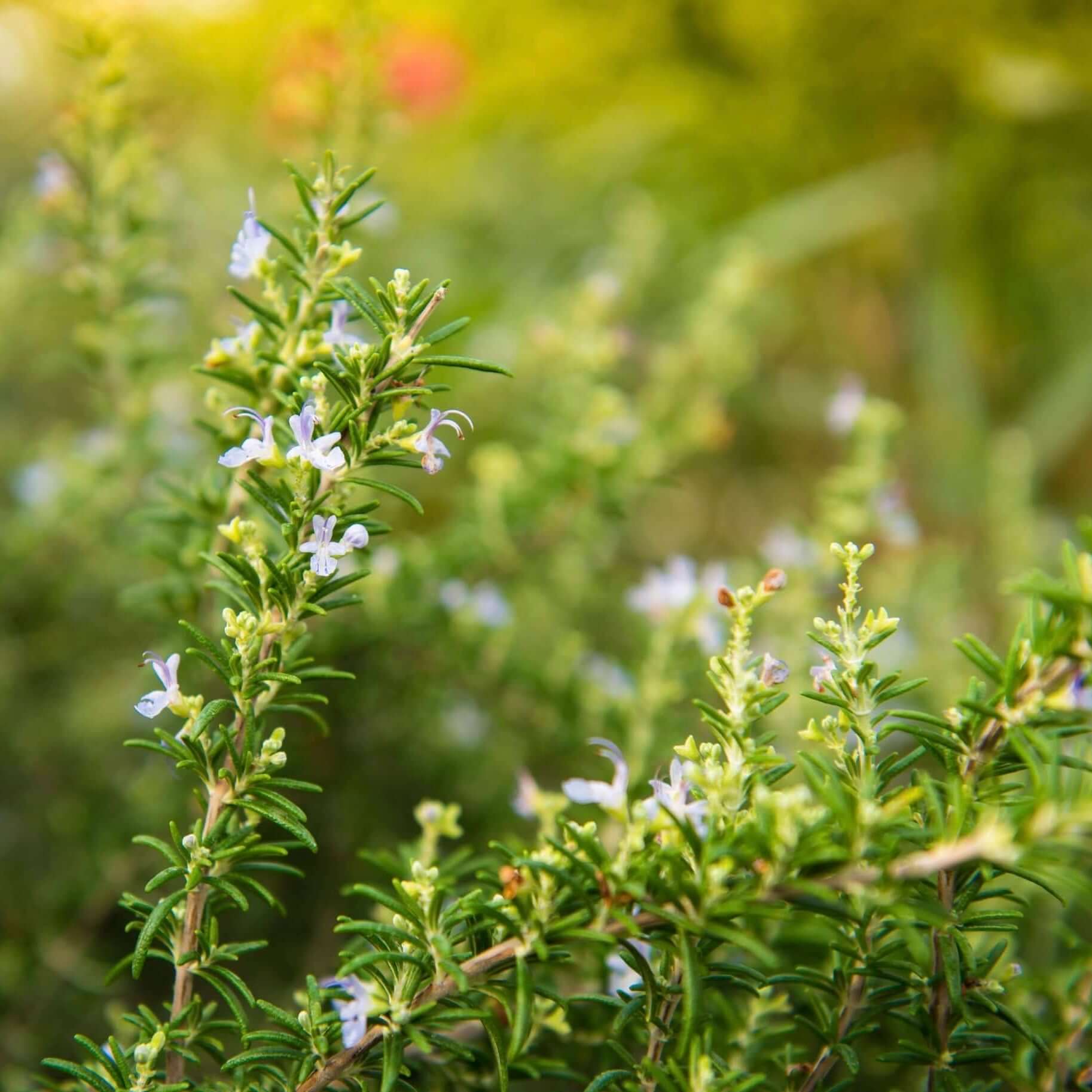
Yes. Oleander, Texas Sage, Rosemary, Ceanothus, and most Grevillea species are low on the deer menu. Aromatic or leathery foliage tends to deter browsing.
Q5: What evergreen shrubs work as privacy hedges in zones 7–11?
Pittosporum tenuifolium, Oleander, Photinia, and Ligustrum japonicum all grow 8–15 ft and screen effectively. For tighter spaces, Indian Hawthorn or compact Pittosporum cultivars stay under 6 ft.
Q6: Should I fertilize evergreen shrubs during summer heat?
No. Fertilize in early spring or late fall when the plant can use nutrients for growth. Summer fertilization forces tender new growth that scorches easily and stresses the root system.
Get Yours from PEX
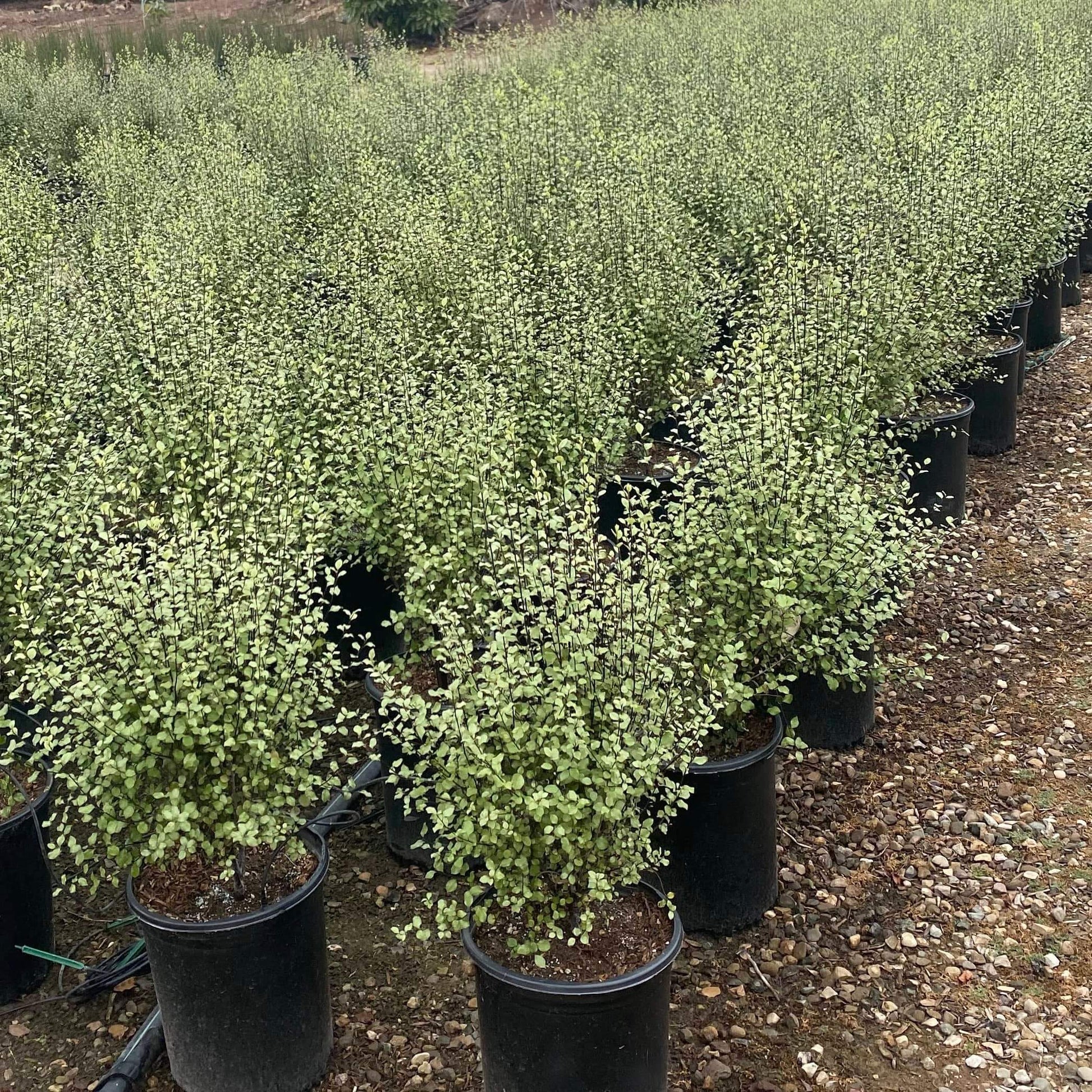
Ready to fill your landscape with evergreen shrubs built for California heat? Browse our full nursery catalog for container-grown specimens shipped direct to your door.
Browse all plants