Best Trees to Plant: Expert Guide to Shade, Flowering & Evergreen Varieties
Choosing the right tree transforms your landscape for decades to come. Whether you need fast growing shade trees, spring blooms, or year-round evergreen structure, California's diverse climates support an impressive range of options across zones 8-11.
This guide breaks down the best trees to plant by function, size, and maintenance needs — helping you match the perfect specimen to your specific yard conditions and lifestyle.

Understanding Your Tree Selection Criteria
Before shopping, identify your priorities. Shade trees cool your home and reduce energy costs by up to 30%. Flowering trees deliver seasonal drama. Evergreens provide year-round privacy and structure.
California's Mediterranean climate favors drought-tolerant species once established. Consider mature size carefully — a tree that outgrows its space becomes a liability, not an asset. Match trees to your available space, sun exposure, and soil conditions for best results.
Grower's Tip: Plant trees in fall or early spring when roots establish before summer heat. Water deeply but infrequently to encourage deep root development that sustains trees through California's dry summers.
What Are the Best Fast Growing Shade Trees for California Landscapes?
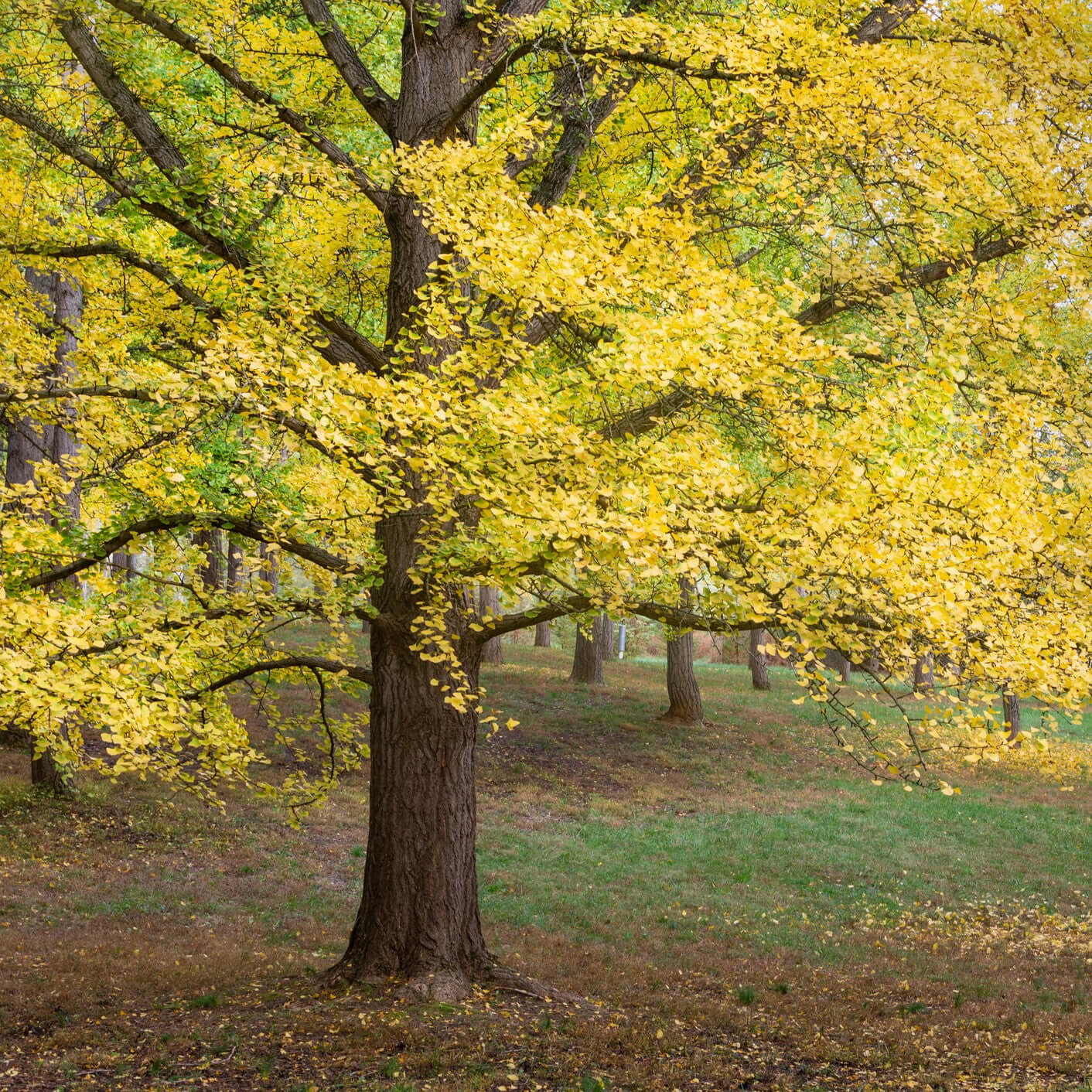
Autumn Gold Ginkgo Tree
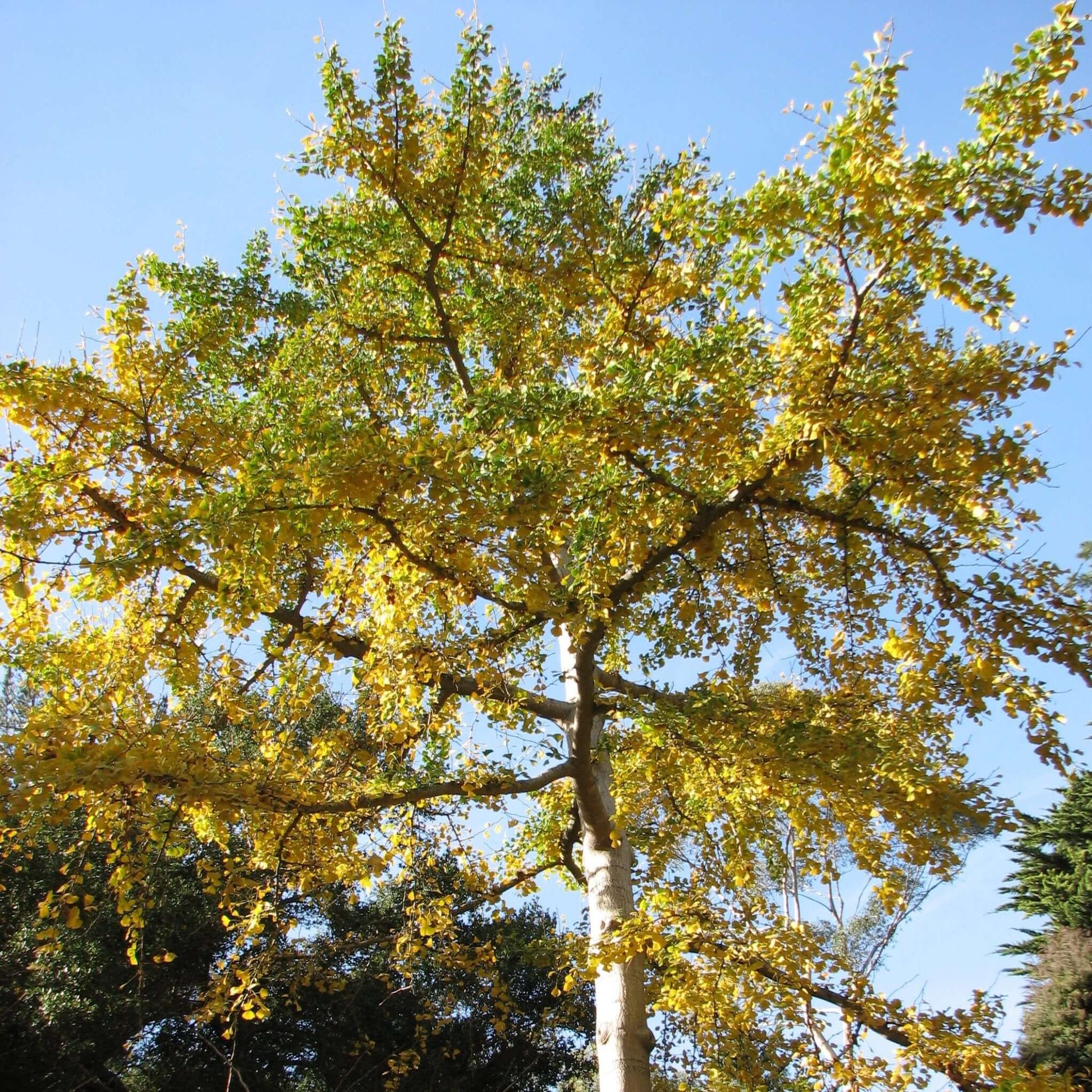
Quick Stats: 40-50 ft tall | Moderate growth | Zones 4-9 | Full sun
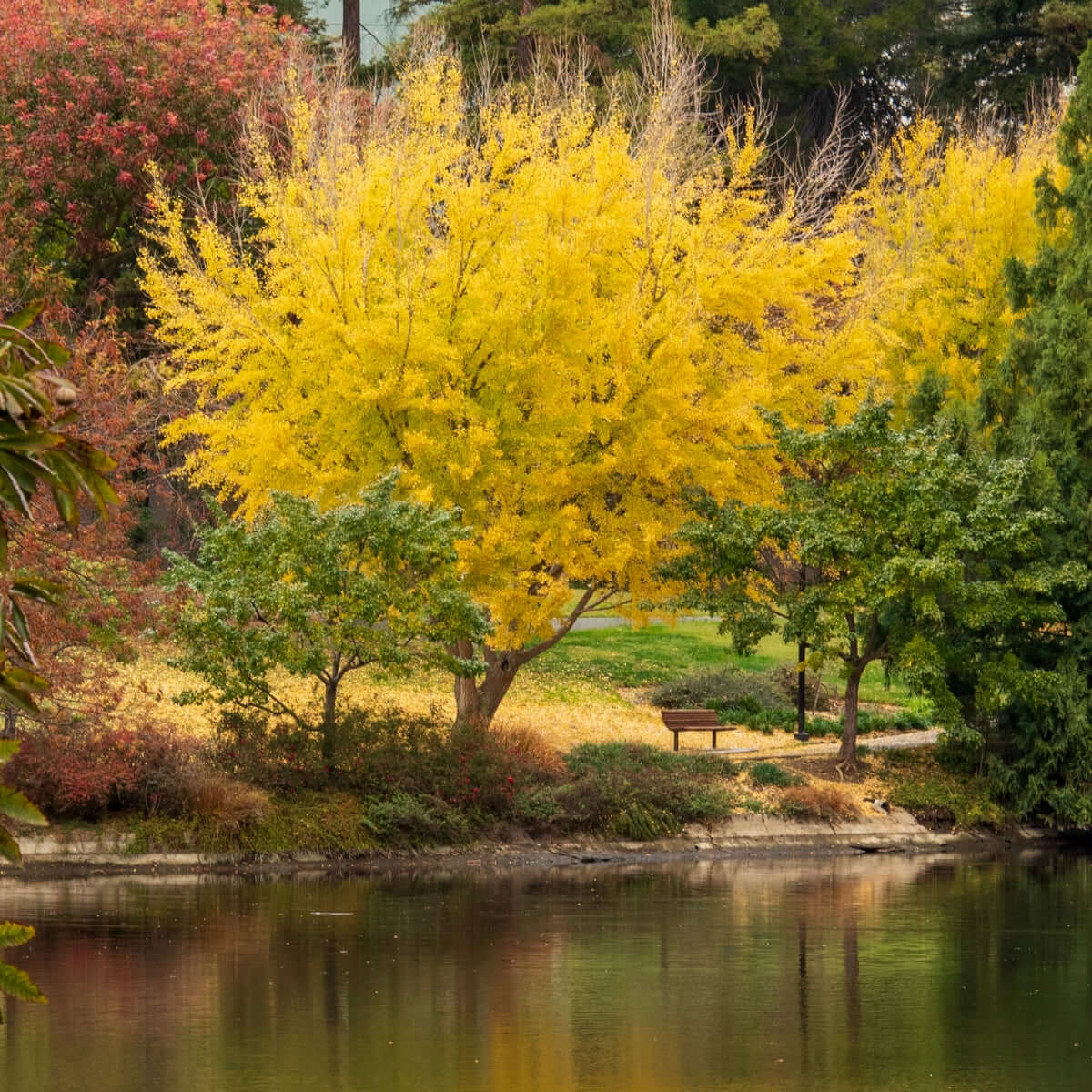
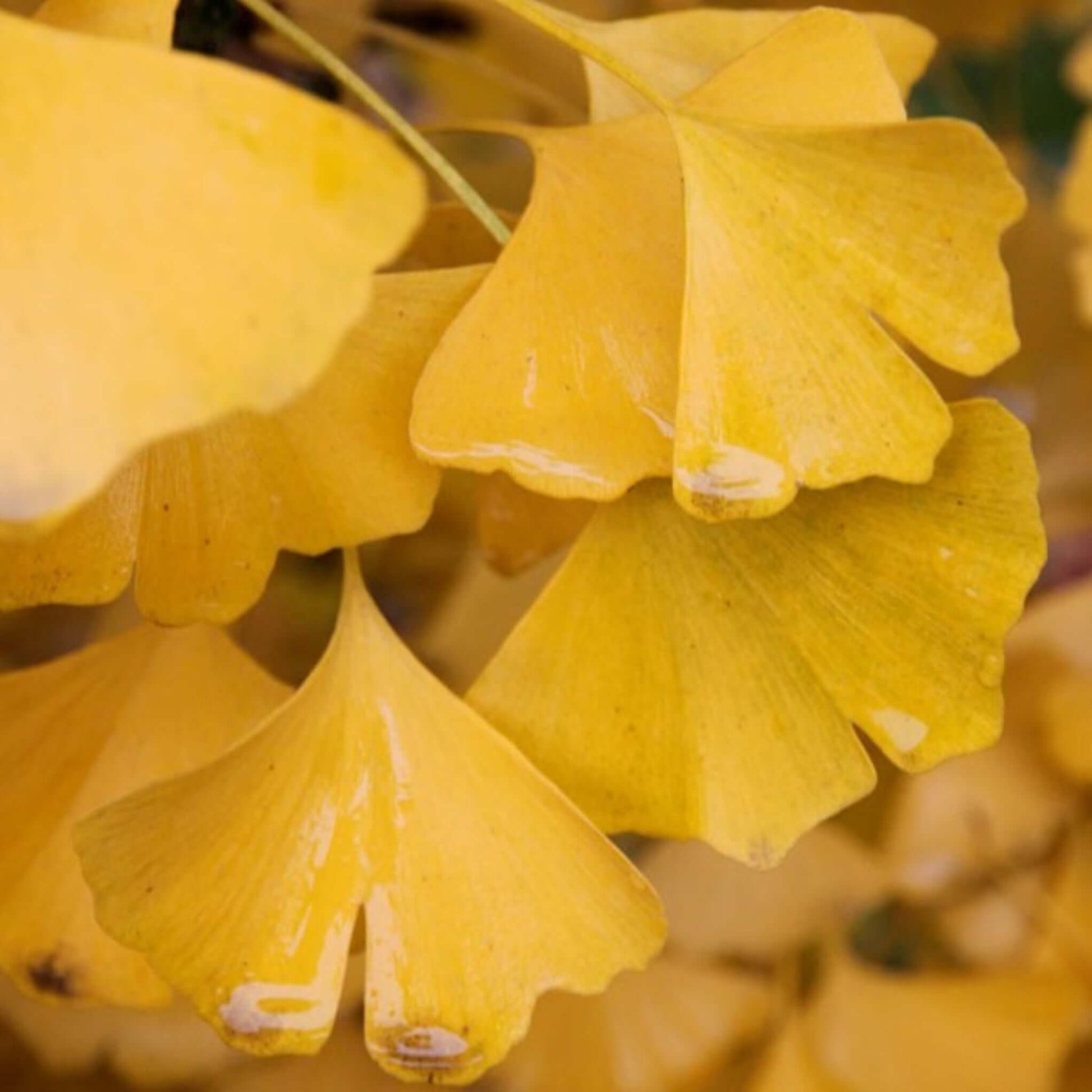
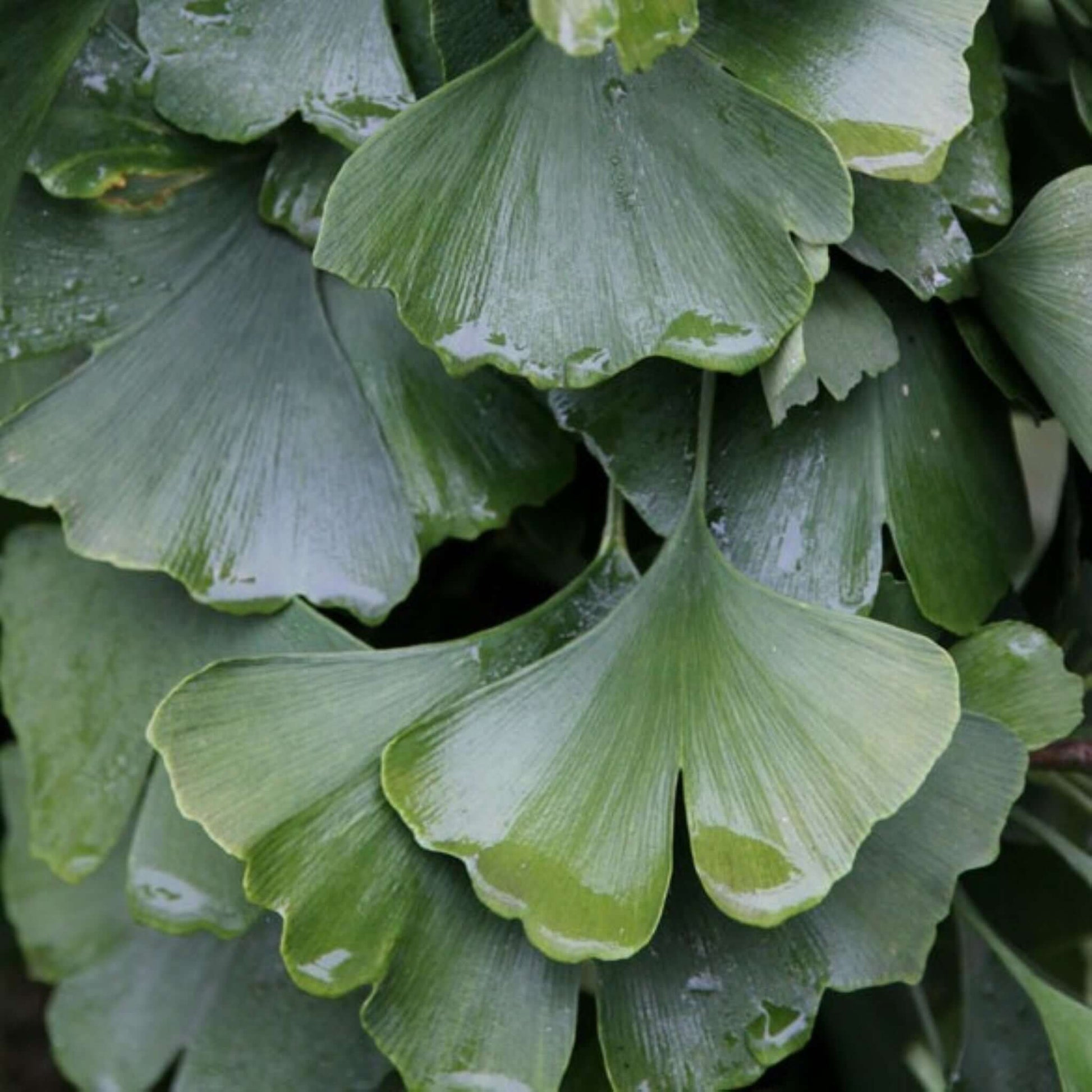
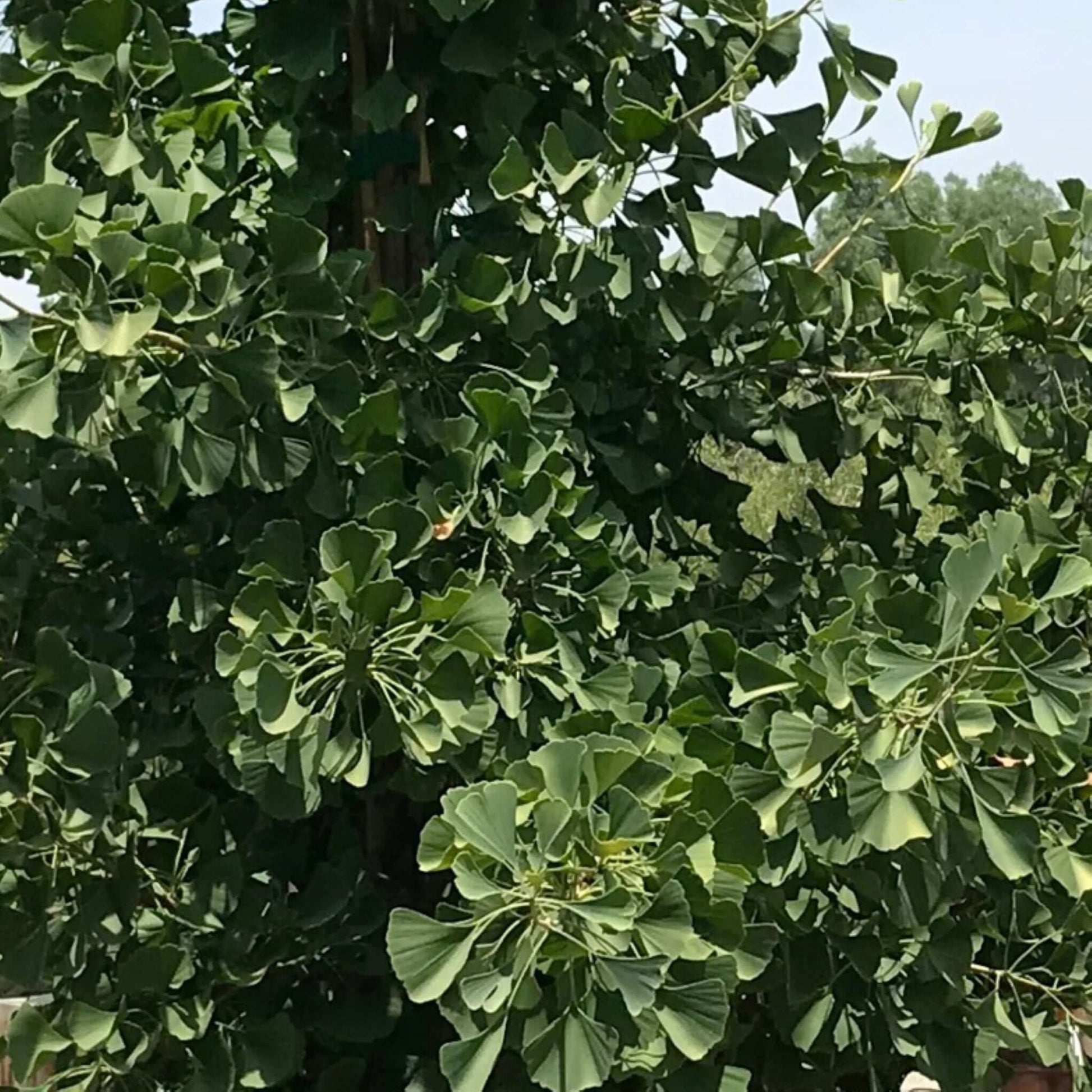
Why We Love It: The Autumn Gold Ginkgo Tree tops our list for reliable shade and low maintenance. This fruitless male cultivar creates dappled shade in summer, then explodes into brilliant gold in fall. Unique fan-shaped leaves tolerate urban pollution, compacted soil, and heat — thriving where other trees struggle with virtually zero pest problems.
Pro Tip: Plant 25-30 feet from structures to accommodate mature spread.
Best For: Urban yards, fall color enthusiasts, low-maintenance landscapes
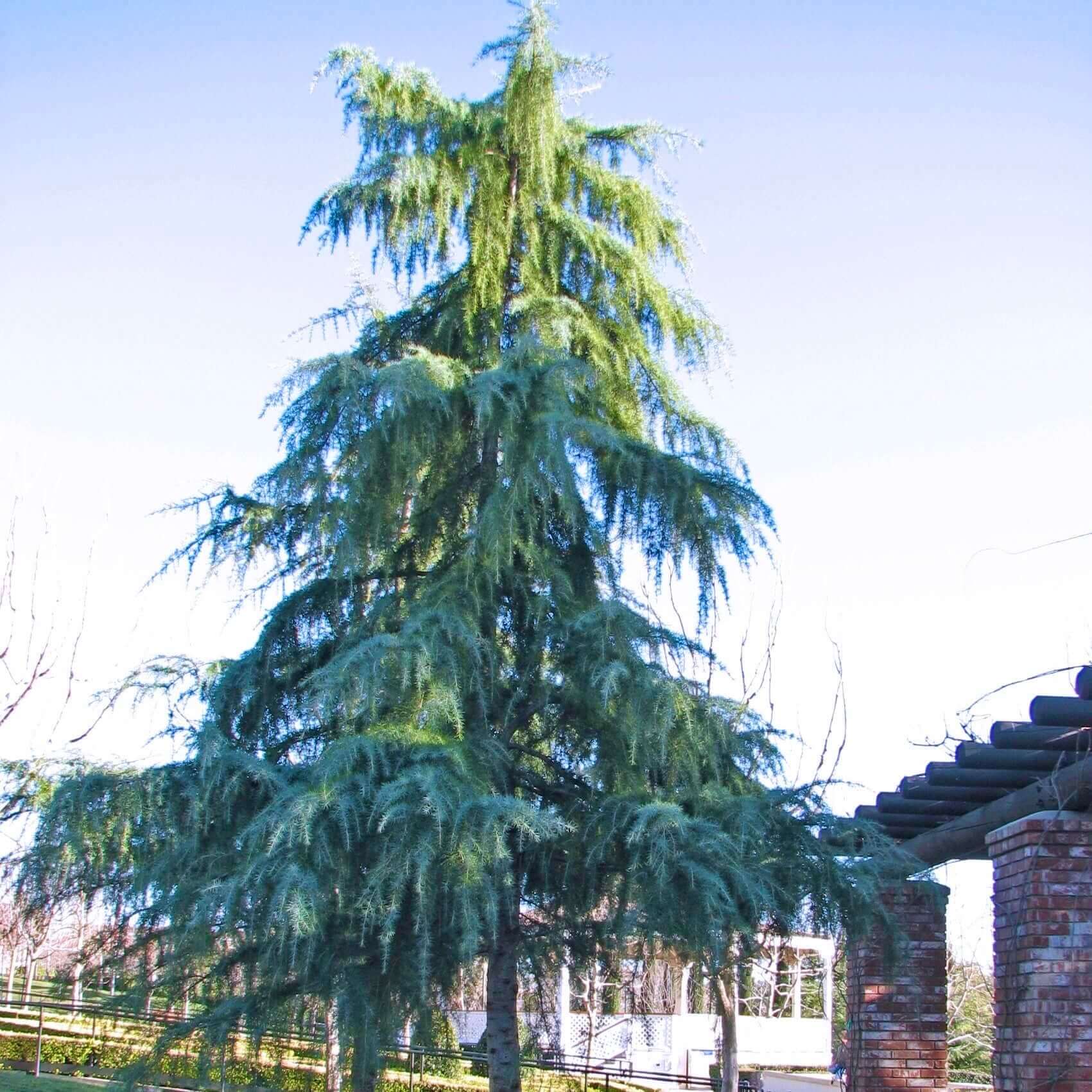
Deodar Cedar Tree

Quick Stats: 50-70 ft tall | Fast growth (2-3 ft/year) | Zones 7-11 | Full sun
Why We Love It: The Deodar Cedar Tree offers fast-growing evergreen shade with dramatic pyramidal form. Graceful arching branches sweep the ground on young specimens, creating a living sculpture. This is the fastest option for quick screening or shade on large properties.
Pro Tip: Young trees make excellent living Christmas trees for the first decade.
Best For: Large properties, quick screening, year-round evergreen structure
| Shade Tree | Mature Height | Growth Rate | Best For |
|---|---|---|---|
| Autumn Gold Ginkgo | 40-50 ft | Moderate | Urban yards, fall color |
| Deodar Cedar | 50-70 ft | Fast (2-3 ft/year) | Large properties, screening |
What Are the Top Flowering Trees for California Gardens?
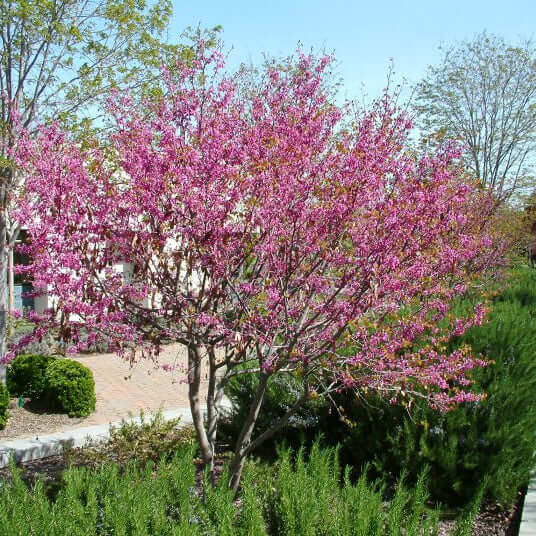
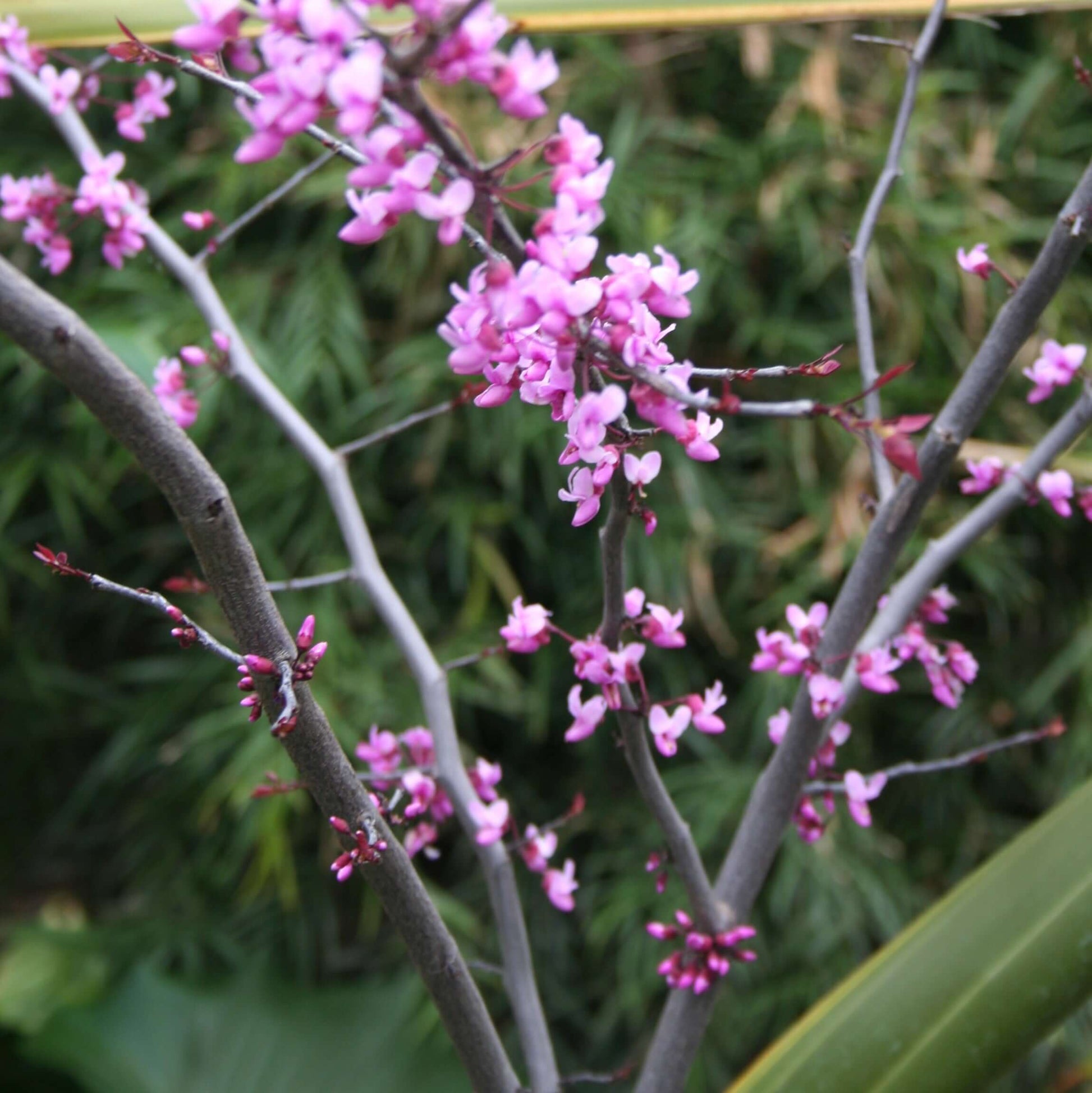
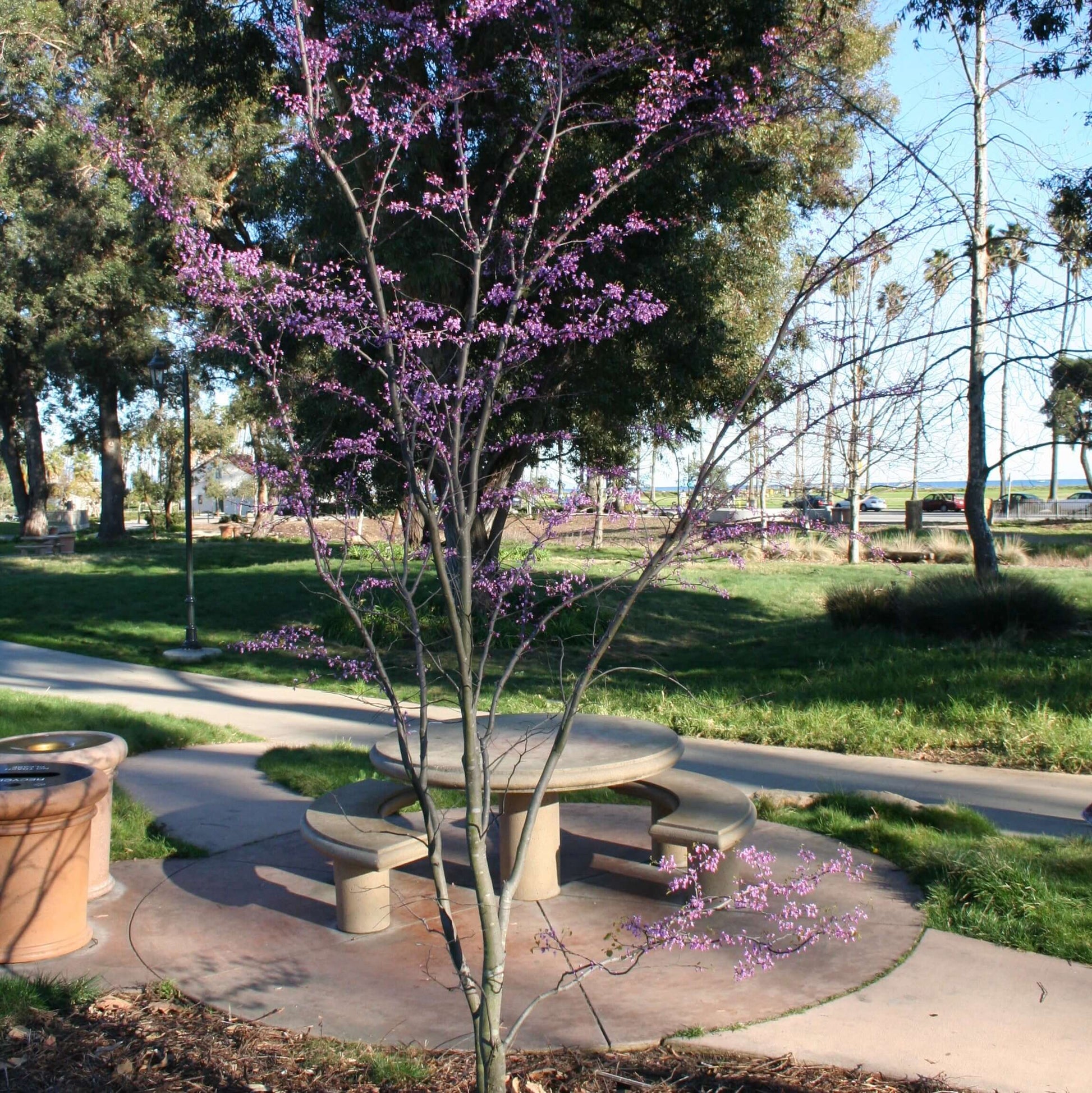
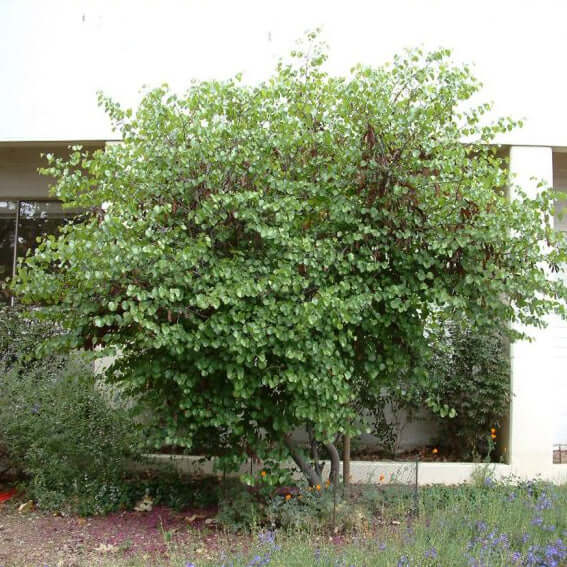
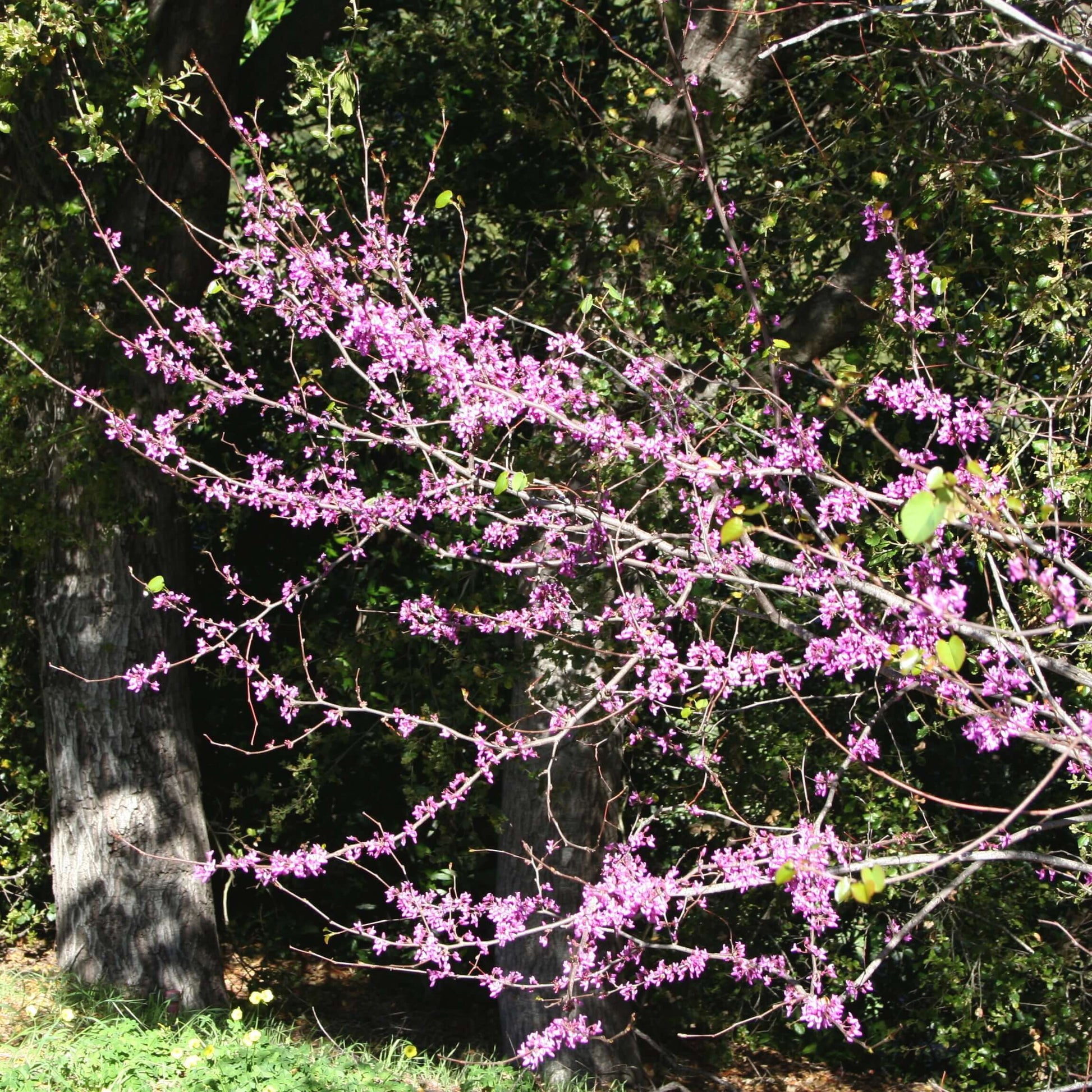
Western Redbud Tree

Quick Stats: 12-20 ft tall | California native | Zones 7-9 | Part sun to full sun
Why We Love It: California native Western Redbud Tree delivers early spring magic when magenta blooms cover bare branches in February-March. Heart-shaped leaves emerge after flowers, turning yellow in fall. Thrives in clay soil and requires minimal water once established.
Pro Tip: Plant near patios or windows where you'll appreciate the early bloom show.
Best For: Smaller yards, native plant gardens, early spring color
Fruit Trees: Anna Apple & Babcock Peach

Quick Stats: 12-15 ft tall | Low-chill varieties | Zones 8-10 | Full sun (6+ hours)
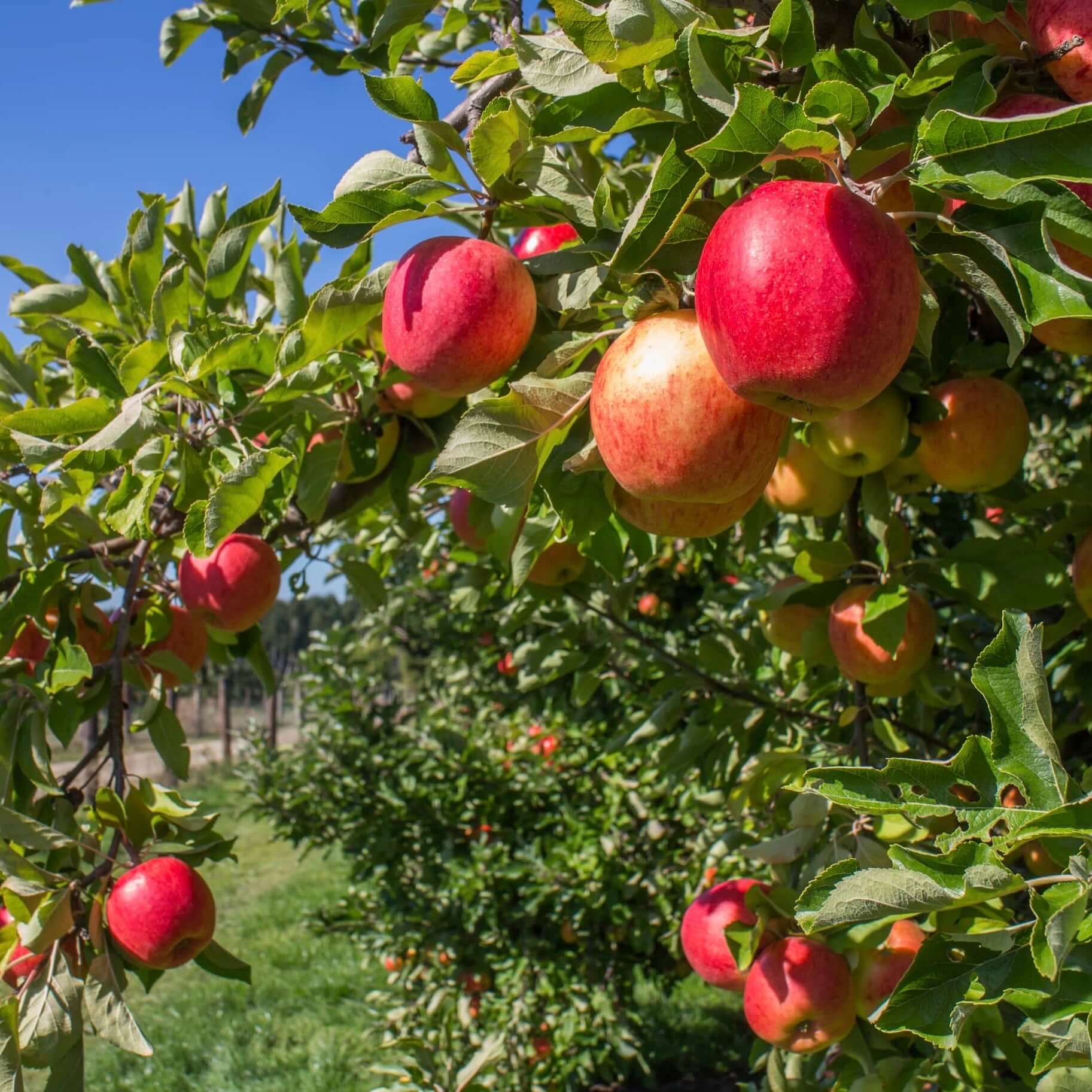
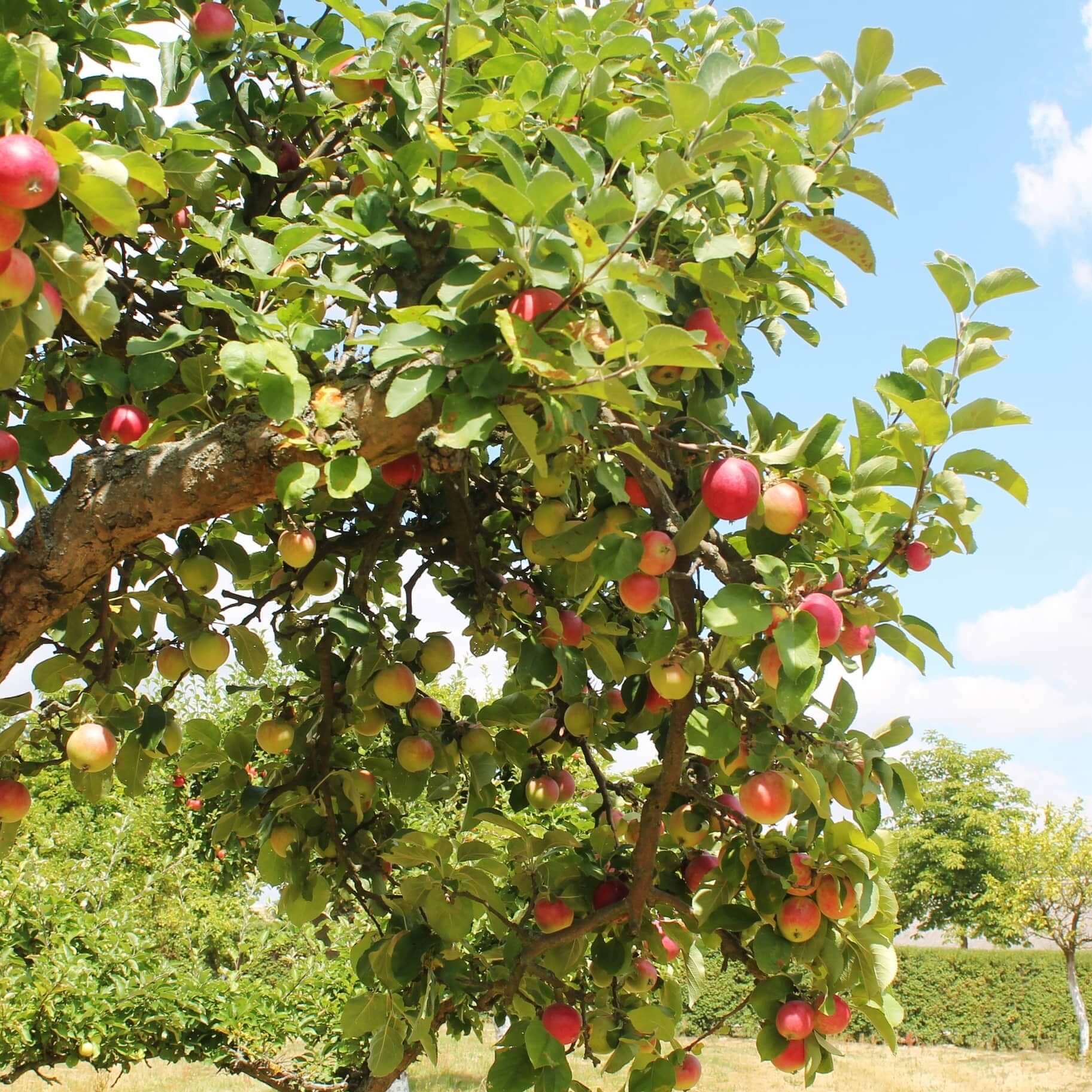
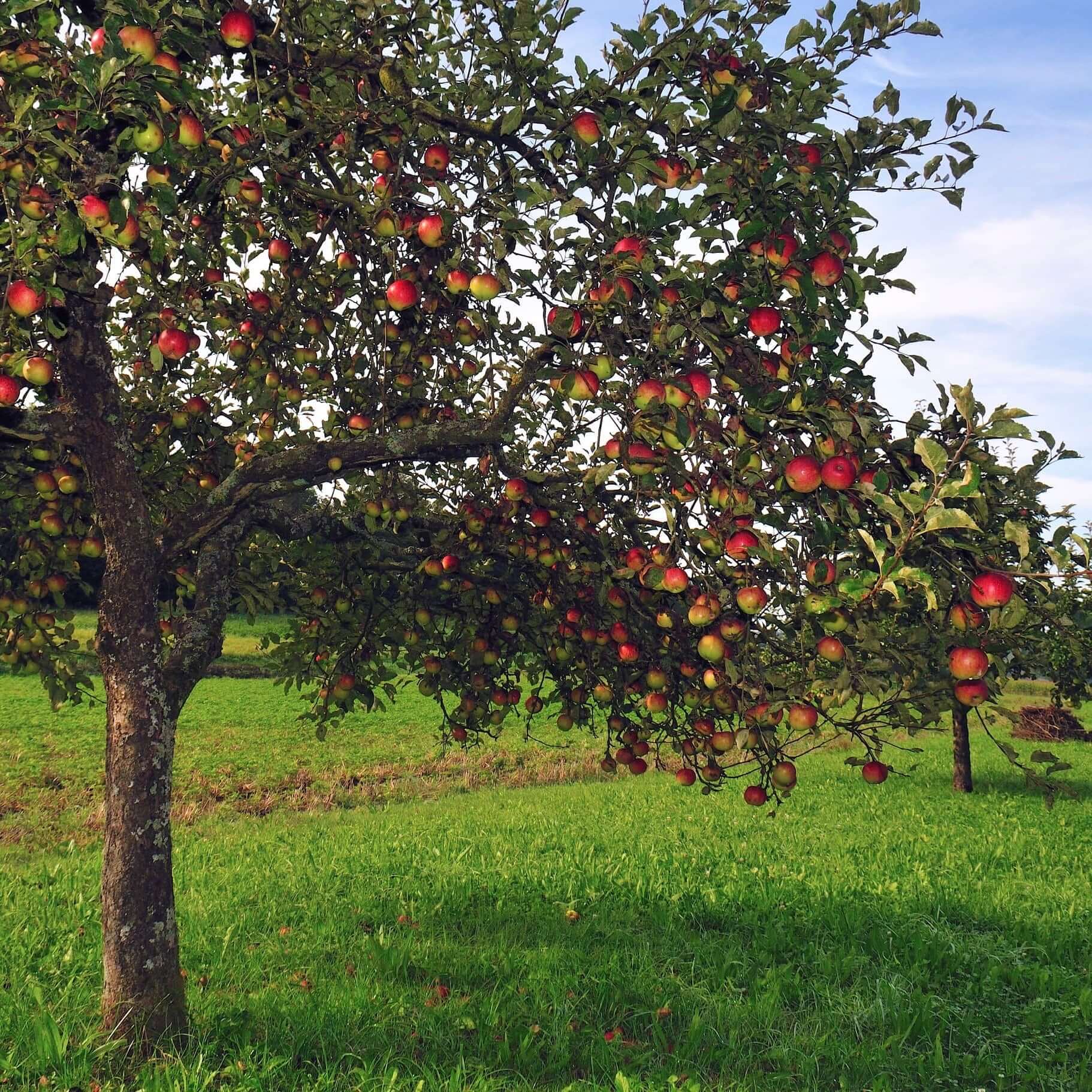
Why We Love It: Fruit trees combine spring flowers with edible harvests. The Anna Apple Tree produces masses of white-pink blossoms followed by sweet-tart apples in late June. The Babcock Peach Tree offers fragrant pink blooms and juicy white-flesh peaches perfect for California's mild winters.
Pro Tip: Anna apple is partially self-fertile but produces heavier crops with a pollinator; Babcock peach is fully self-fertile.
Best For: Edible landscapes, spring blooms plus summer fruit, small to medium yards
Which Evergreen Trees Provide Year-Round Structure?
Evergreens anchor landscapes with consistent color and form through all seasons. The Deodar Cedar Tree excels as a specimen tree with soft green needles and elegant weeping branches that add movement to static landscapes.
Deodar Cedar tolerates heat, wind, and drought once established. Young trees grow 2-3 feet annually, slowing as they mature. This makes an excellent living Christmas tree for the first decade, then transitions into a majestic shade provider that screens views and provides privacy year-round.
How Do I Match Trees to My Yard Size?
Small yards (under 2,000 sq ft) need compact trees that won't overwhelm the space. The Western Redbud Tree maxes out at 20 feet with equal spread — perfect scale for intimate gardens. Fruit trees like Anna Apple and Babcock Peach stay manageable at 12-15 feet with regular pruning.
| Yard Size | Recommended Trees | Mature Spread | Spacing from Structures |
|---|---|---|---|
| Small (under 2,000 sq ft) | Western Redbud, fruit trees | 15-20 ft | 15 ft minimum |
| Medium (2,000-5,000 sq ft) | Autumn Gold Ginkgo | 30-40 ft | 25 ft minimum |
| Large (5,000+ sq ft) | Deodar Cedar | 30-50 ft | 30 ft minimum |
Medium yards accommodate the Autumn Gold Ginkgo Tree with room for its mature 40-foot spread. Large properties can showcase the dramatic Deodar Cedar Tree with space for its sweeping branches to reach the ground.
What Climate Considerations Matter for Zones 8-11?
California's zones 8-11 span coastal fog belts to inland valleys with 100°F+ summers. Match trees to your microclimate for best results.
Coastal gardens (zones 9-10) with cool summers and mild winters suit Western Redbud and Autumn Gold Ginkgo. Both tolerate marine layer moisture and moderate temperatures.
Inland valleys (zones 8-9) with hot, dry summers favor heat-tolerant Deodar Cedar. Low-chill fruit trees like Anna Apple and Babcock Peach thrive in warm winter areas that don't meet traditional apple/peach chill requirements.
Grower's Tip: Check your USDA zone at planthardiness.ars.usda.gov and match it to tree descriptions. Pushing zone boundaries works for protected microclimates but risks winter damage in cold snaps.
| Your Priority | Best Choice | Why |
|---|---|---|
| Zero fuss | Autumn Gold Ginkgo | No pests, no disease, minimal pruning |
| California native | Western Redbud | Adapted to local conditions, supports wildlife |
| Fast screening | Deodar Cedar | Grows 2-3 ft/year, evergreen privacy |
| Edible harvest | Anna Apple or Babcock Peach | Spring blooms plus summer fruit |
How Do I Plant My New Tree for Maximum Success?
April through May offers ideal planting conditions across California zones 8-11. Soil temperatures warm enough for root growth, but summer heat hasn't arrived. Fall planting (October-November) works equally well — cooler temperatures reduce water needs while roots continue growing through mild winters.
- Dig the hole — Make it 2-3 times wider than the root ball but no deeper. Roots spread horizontally, not down.
- Remove container carefully — Loosen circling roots by hand. Cut severely girdled roots rather than planting them wrapped around the trunk.
- Position at grade — Top of root ball should sit level with surrounding soil. Planting too deep causes rot; too high exposes roots.
- Backfill with amended soil — Mix 1 part soil amendment to 2 parts native soil. Soil amendments have nutrients to help get your new tree established, while mixing the native soil acts as a "handshake" to the soil your tree will be living in for years to come.
- Water deeply — Soak the entire root zone until water pools. Apply 3-4 inches of mulch around (not touching) the trunk.
- Stake as needed — Use loose ties that allow movement. Flexible trunks develop stronger wood. Only stake in windy sites or for top-heavy specimens.
Real Customer Experience: "Loved the quick delivery, good condition of the trees, and kind and helpful delivery driver" — Adriana A., Walnut Creek
Frequently Asked Questions About Planting Trees
What's the fastest-growing tree for quick shade?
The Deodar Cedar Tree grows 2-3 feet annually when young, providing screening and shade faster than most alternatives. Expect 15-20 feet of growth in the first decade with proper watering, making it one of the best fast growing shade trees for California landscapes.
Which tree works best for small yards under 1,500 square feet?
Choose the Western Redbud Tree for multi-season interest in compact spaces. Its 12-20 foot mature size won't overwhelm small lots, and the multi-trunk form adds architectural interest year-round with spectacular magenta spring blooms.
What tree has the best fall color in California?
Autumn Gold Ginkgo Tree delivers the most reliable and dramatic fall display. Fan-shaped leaves turn brilliant gold in November, holding color for 2-3 weeks before dropping quickly over a few days — creating a spectacular golden carpet.
How much water do established trees need in California?
Deep-water established trees every 2-3 weeks during summer, wetting the root zone to 18-24 inches depth. Native Western Redbud needs less; Deodar Cedar tolerates drought once mature but grows faster with occasional irrigation.
Conclusion
Selecting the best trees to plant depends on your specific landscape goals, available space, and maintenance preferences. Fast growing shade trees like Autumn Gold Ginkgo cool homes for decades. Flowering Western Redbud announces spring with native beauty. Evergreen Deodar Cedar anchors year-round structure. Match tree characteristics to your yard's conditions for generations of beauty and environmental benefits.
Shop Trees Now