California's Best Edible Landscape Trees: Transform Your Yard Into a Productive Garden
California homeowners are discovering what landscape professionals have known for years: edible trees can be stunning focal points that deliver beauty AND harvest. Why plant a purely ornamental tree when you can grow something equally gorgeous that feeds your family?
This guide covers how to select and integrate fruit-bearing and productive trees into your outdoor landscape design—from specimen plantings to edible hedgerows. We'll focus on trees that thrive in California's zones 8-11 and deliver year-round visual interest.

Why Edible Landscape Trees Make Sense for California Gardens
Traditional landscaping separates "pretty" from "productive." Modern California gardens reject that false choice.
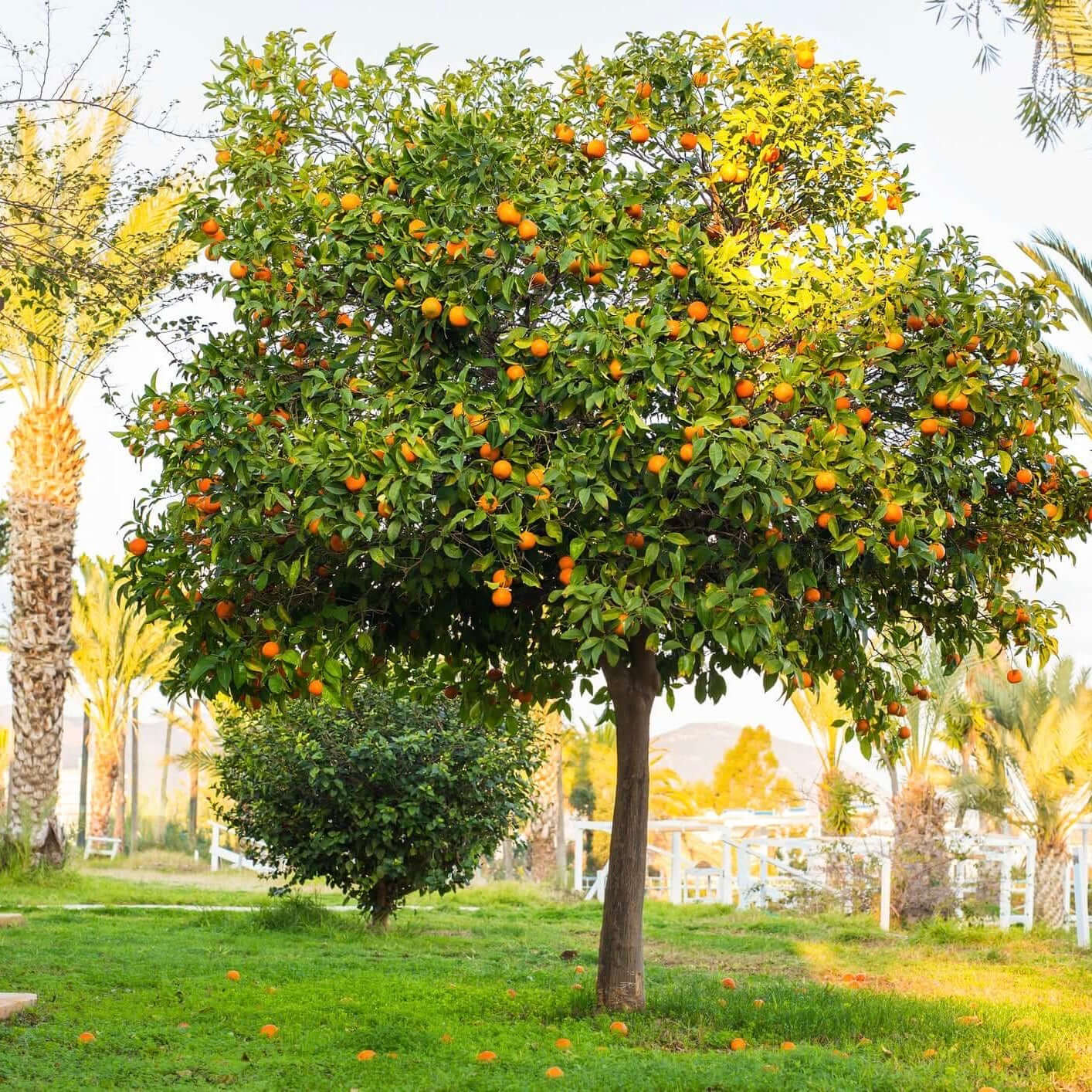
Edible landscape trees offer multiple benefits: shade, privacy screening, seasonal color, wildlife habitat, AND fresh food. A well-placed Navel Orange Tree provides evergreen structure, fragrant spring blooms, and winter fruit—all while anchoring your landscape design.
California's Mediterranean climate is ideal for fruit and nut production. Our mild winters satisfy chill requirements without harsh freezes. Our dry summers reduce disease pressure when paired with smart irrigation.
Grower's Tip: Choose trees based on your landscape role first, harvest second. A tree that doesn't fit your design will frustrate you no matter how much fruit it produces.
How Do You Select the Right Edible Tree for Your Landscape?
Match tree characteristics to your specific landscape needs before considering fruit type.
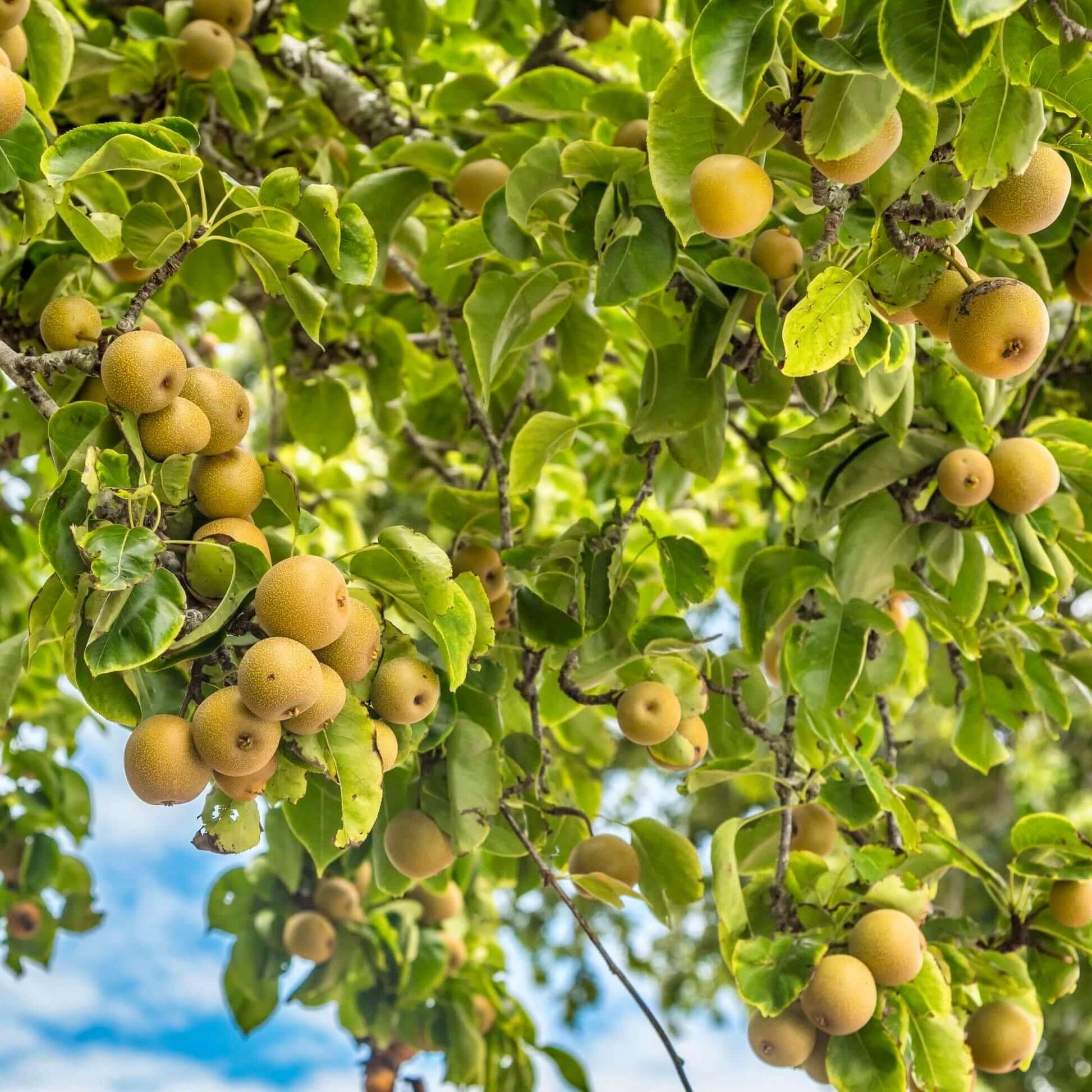
Evergreen vs. Deciduous: Citrus like the Navel Orange Tree stays green year-round—perfect for privacy screening or year-round structure. Deciduous options like the 20th Century Asian Pear allow winter sun penetration while providing summer shade.
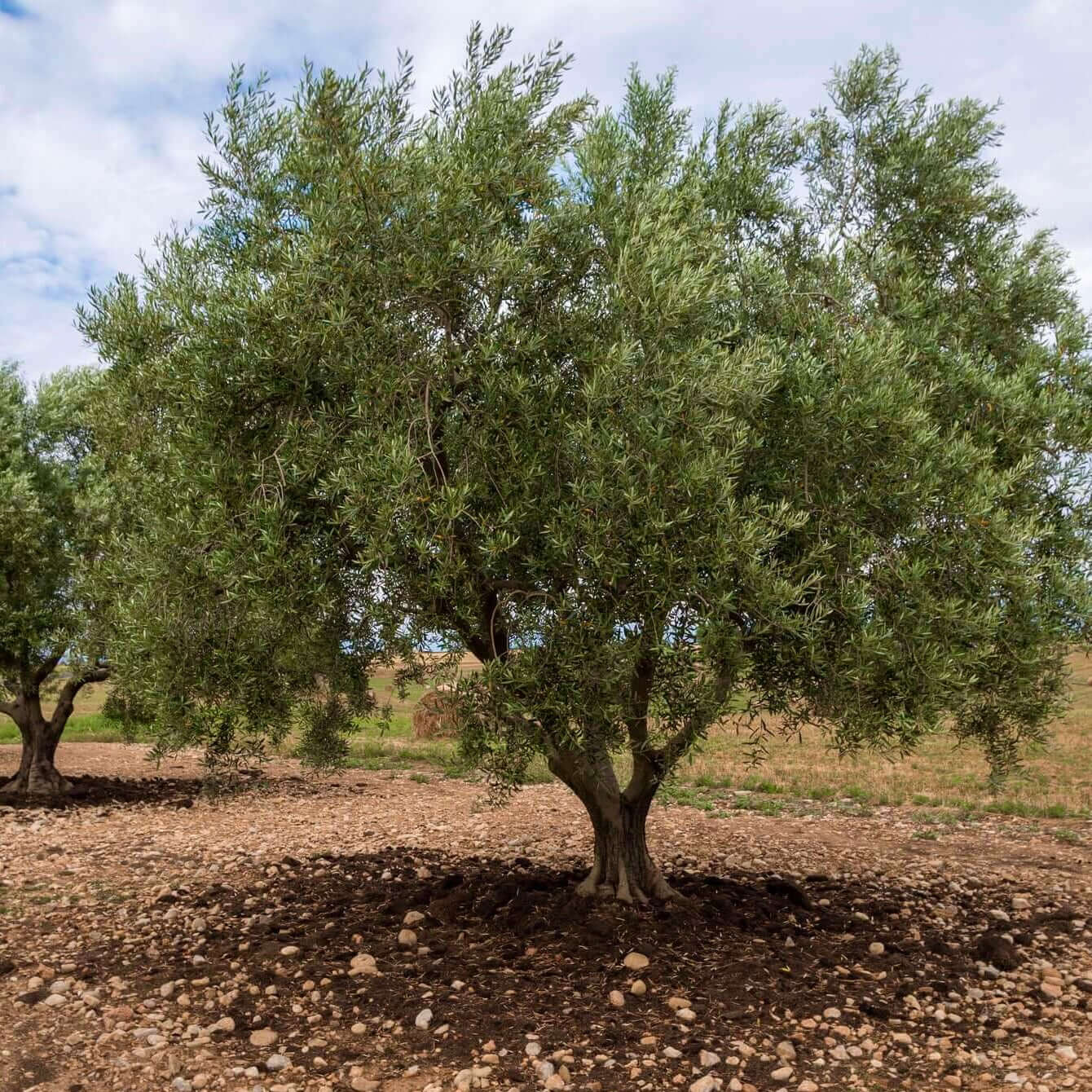
Mature Size: Plan for adult dimensions. The Mission Olive Tree reaches 25-30 feet—ideal as a specimen tree or grove planting. Compact options like Sunshine Blue Blueberry Bush work for smaller spaces or foundation plantings.
| Landscape Role | Best Tree Choice | Why It Works |
|---|---|---|
| Privacy Screen | Navel Orange Tree | Dense evergreen foliage, 15-20 ft height |
| Specimen Focal Point | Mission Olive Tree | Sculptural form, silvery foliage, Mediterranean character |
| Patio Container | Sunshine Blue Blueberry Bush | Compact growth, ornamental flowers and fall color |
| Shade Tree | 20th Century Asian Pear | Deciduous canopy, spring blooms, edible fruit |
Featured: Navel Orange Tree
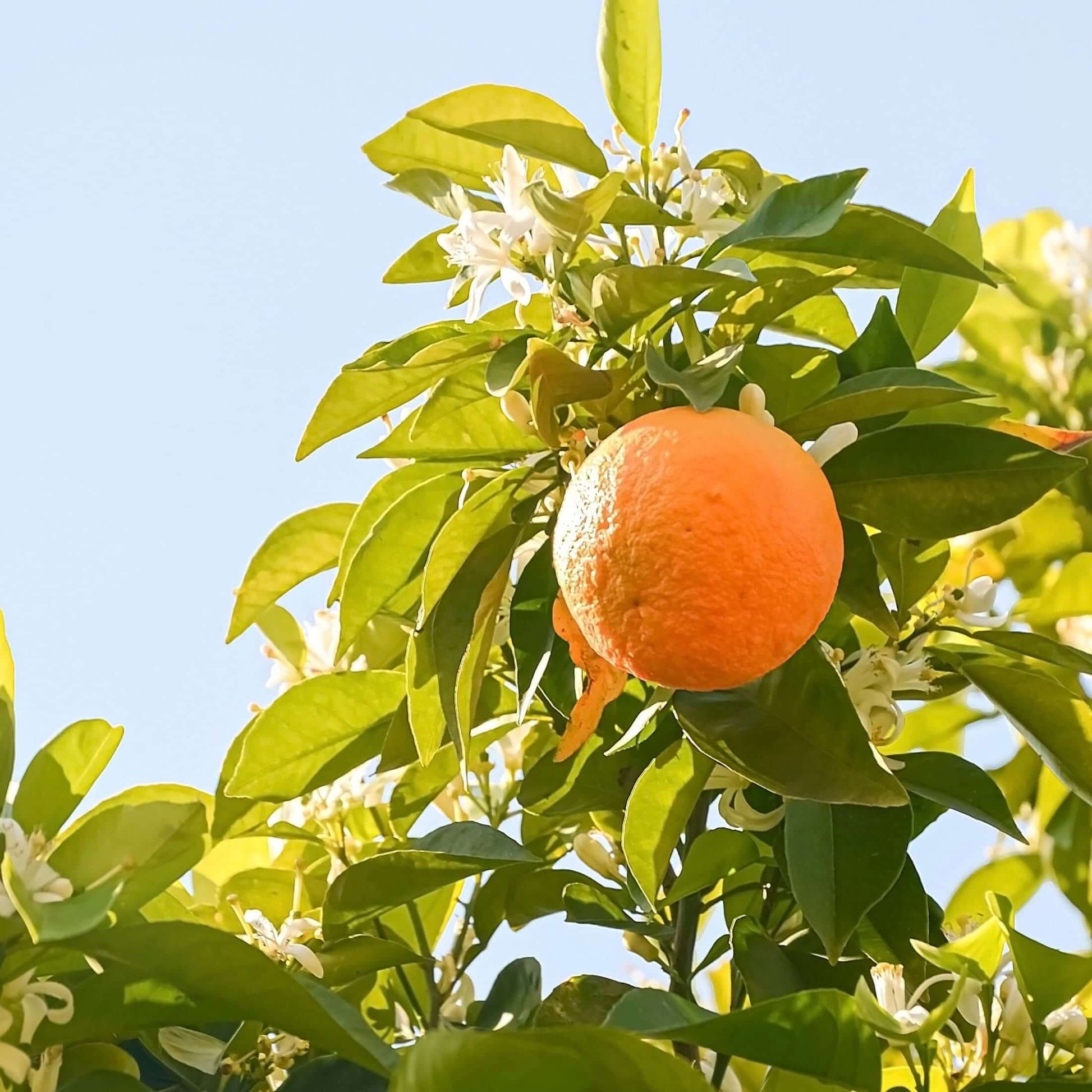
Why We Love It: This evergreen citrus provides year-round structure with glossy green foliage, fragrant white blooms in spring, and sweet seedless oranges from winter through spring. Perfect for California's zones 9-11, it thrives with minimal care once established.
Pro Tip: Plant in full sun with excellent drainage—citrus roots rot in soggy soil.
Best For: Privacy screens, edible hedges, specimen plantings in Mediterranean-style gardens.
Shop Navel Orange TreeFeatured: Mission Olive Tree

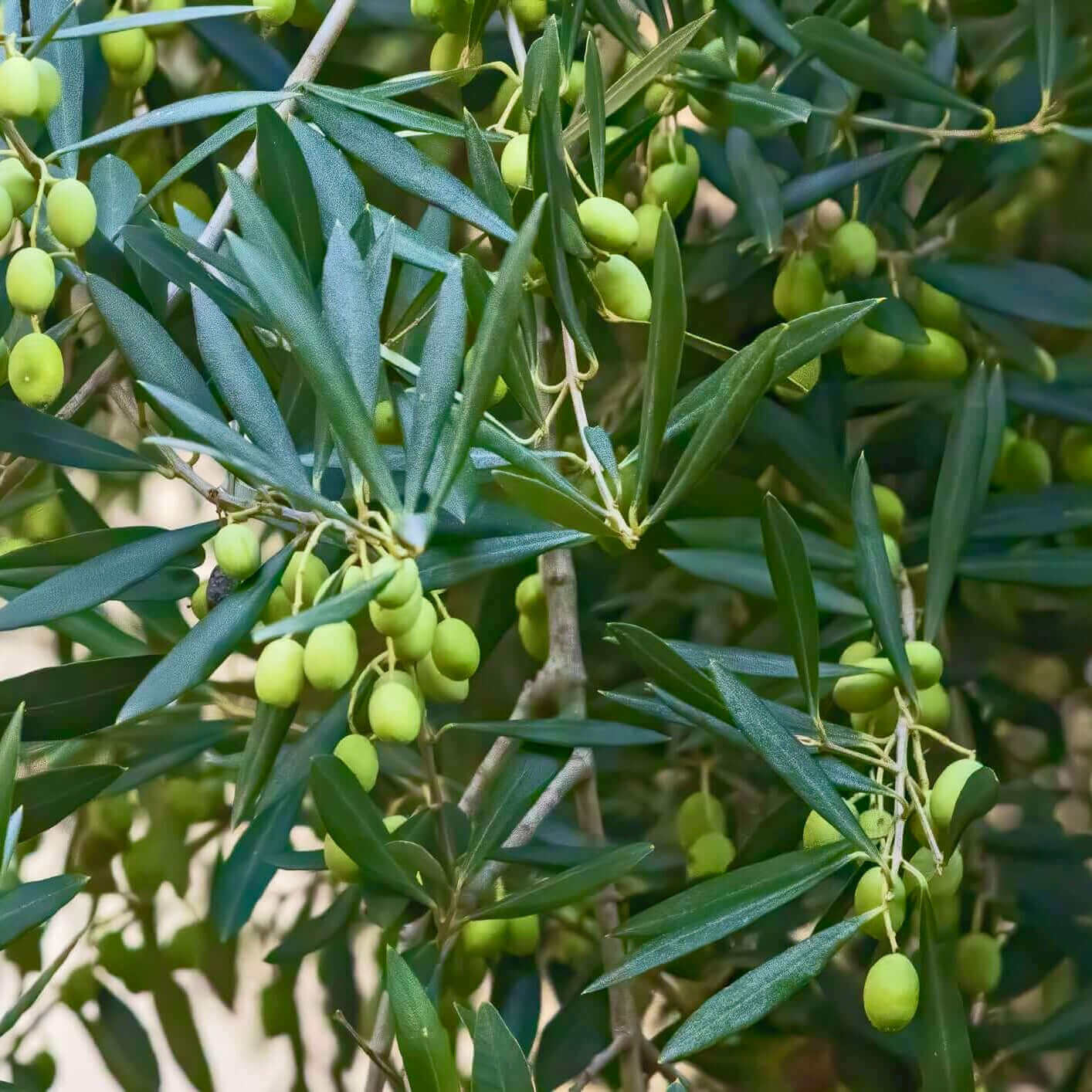
Why We Love It: The Mission Olive brings instant Mediterranean elegance with its silvery-green foliage and gnarled, sculptural trunk. This California heritage variety produces abundant fruit for curing or oil production while tolerating heat, drought, and wind.
Pro Tip: Allow the tree to develop its natural character—minimal pruning creates the most dramatic form.
Best For: Front yard specimens, grove plantings, xeriscape gardens, California native landscapes.
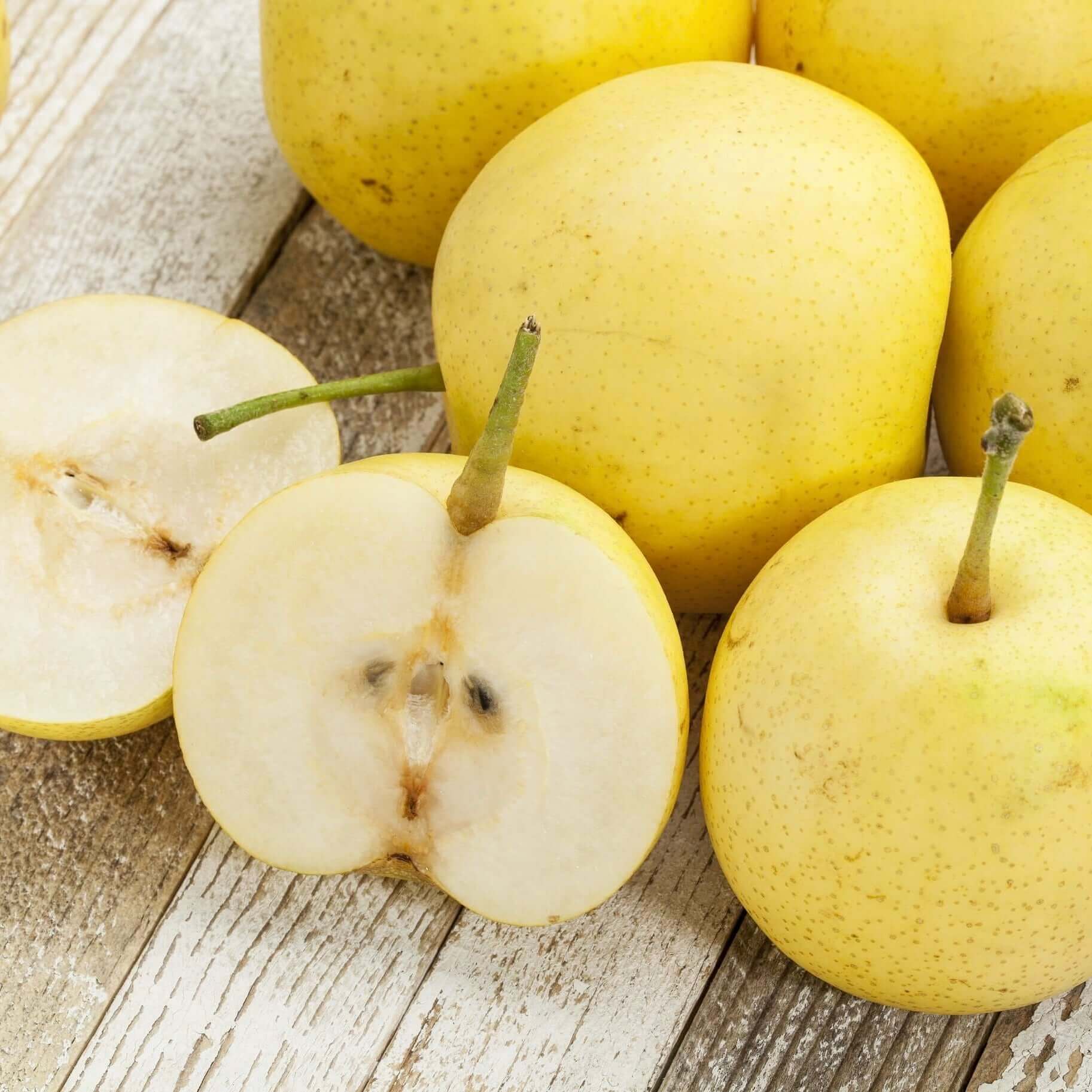
Shop Mission Olive TreeFeatured: 20th Century Asian Pear

Why We Love It: This deciduous pear delivers stunning spring blooms, crisp sweet fruit in late summer, and allows winter sun to warm patios and south-facing walls. Requires only 300-400 chill hours—perfect for California's warmer inland valleys.
Pro Tip: Thin fruit to 6 inches apart for larger, higher-quality pears.
Best For: Shade trees over patios, espalier training, mixed fruit orchards.
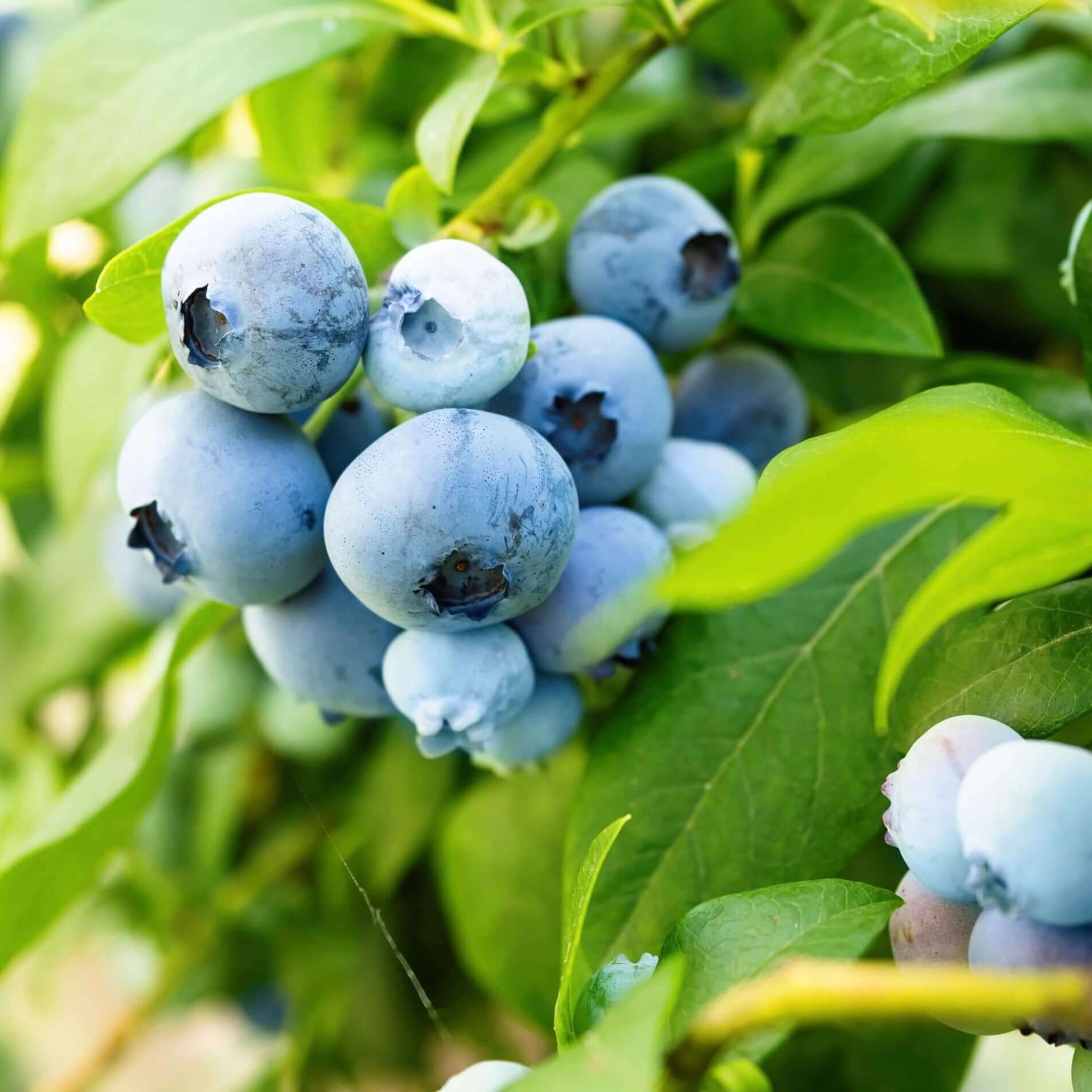
Shop 20th Century Asian PearFeatured: Sunshine Blue Blueberry Bush

Why We Love It: This compact evergreen blueberry fits beautifully in mixed borders with ornamental pink-white spring flowers, sweet summer berries, and burgundy fall foliage. Tolerates Southern California's lower chill hours better than most blueberry varieties.
Pro Tip: Maintain acidic soil (pH 4.5-5.5) with sulfur amendments and acidic mulch like pine needles.
Best For: Container gardens, mixed perennial borders, edible foundation plantings.
Shop Sunshine Blue Blueberry BushWhat Site Conditions Do Edible Landscape Trees Need?
Your property contains multiple microclimates. Smart placement maximizes tree performance.
Sun Exposure: Most fruit trees need 6-8 hours direct sun for good production. South and west exposures provide maximum heat. East-facing sites get gentler morning sun—better for varieties sensitive to sunburn.
Drainage: Test drainage by digging a 12-inch hole and filling it with water. If water remains after 4 hours, drainage is inadequate. Citrus and stone fruits demand excellent drainage. Build raised planting mounds in heavy clay soils.
Wind Protection: Strong winds damage fruit, break branches, and stress trees. Plant windbreaks or position trees near structures for protection. The Mission Olive Tree tolerates wind better than most fruit trees.
Chill Hours: California zones 8-11 provide 200-800 chill hours depending on elevation and distance from coast. The 20th Century Asian Pear needs only 300-400 hours—perfect for warmer inland valleys.
What Are the Best Planting Techniques for Long-Term Success?
Proper installation determines whether your tree thrives for decades or struggles from day one.
- Timing: Plant container-grown trees year-round in California, but fall through early spring is ideal. Cooler weather reduces transplant stress and allows root establishment before summer heat.
- Hole Preparation: Dig holes 2-3 times wider than the root ball but no deeper. Rough up smooth hole sides to prevent root circling. In clay soils, avoid amending the backfill—roots must adapt to native soil eventually.
- Planting Depth: Position the root flare (where trunk widens at base) 1-2 inches above surrounding grade. Trees settle as soil compacts. Planting too deep causes trunk rot and poor growth.
- Initial Watering: Create a 3-4 inch high watering berm around the planting hole perimeter. Fill this basin completely at planting, then water deeply 2-3 times weekly for the first month.
How Do You Integrate Edible Trees Into Landscape Design?
Thoughtful placement makes edible trees feel like landscape design, not afterthoughts.
Specimen Planting: Feature a single striking tree as a focal point. The Mission Olive Tree works beautifully as a front yard specimen—its silvery foliage and gnarled character create instant Mediterranean elegance.
Grove Planting: Group 3-5 trees of the same species for dramatic impact. Space Navel Orange Trees 12-15 feet apart for an edible hedge or grove that provides privacy and abundant harvest.
Mixed Borders: Combine fruit trees with ornamental shrubs and perennials. The Sunshine Blue Blueberry Bush fits perfectly in mixed borders—its spring flowers, summer fruit, and fall color provide three-season interest.
Espalier Training: Train fruit trees flat against walls or fences to save space and create living architecture. Apples, pears, and citrus respond well to espalier techniques.
What Does First-Year Care Look Like?
New trees need consistent attention during establishment. This schedule ensures strong root development.
| Month | Task | Details |
|---|---|---|
| Feb-Mar | Plant & mulch | 3-4 inch mulch layer, keep 6 inches from trunk |
| Apr-May | Monitor irrigation | Deep water 2x weekly, adjust based on weather |
| Jun-Aug | Summer care | Increase watering frequency, watch for stress |
| Sep-Oct | Reduce water | Taper irrigation as temperatures drop |
| Nov-Jan | Winter protection | Protect tender citrus if frost threatens |
Grower's Tip: Don't fertilize newly planted trees for the first 6-8 weeks. Let roots establish before pushing top growth. Start with half-strength applications once you see vigorous new growth.
How Should You Water Established Edible Landscape Trees?
Mature edible landscape trees need less frequent but deeper watering than most gardeners provide.
Deep Watering: Encourage deep root growth by watering to 24-36 inches depth. Use a soil probe to verify penetration. The Navel Orange Tree develops drought tolerance once roots reach deep moisture.
Frequency: Established trees in loam soil need water every 7-14 days in summer, monthly in winter. Sandy soils require more frequent irrigation. Clay soils need less.
Delivery Method: Drip irrigation or soaker hoses deliver water efficiently to the root zone. Avoid overhead sprinklers that waste water and promote disease. Extend irrigation lines as the canopy expands.
How Do You Prune Edible Trees for Structure and Production?
Strategic pruning maintains tree health, controls size, and maximizes fruit quality.
Formative Pruning (Years 1-3): Establish strong scaffold branches with wide crotch angles. Remove competing leaders, crossing branches, and inward-growing wood. Shape the 20th Century Asian Pear to an open center for better light penetration.
Maintenance Pruning (Year 4+): Remove dead, diseased, or damaged wood annually. Thin crowded branches to improve air circulation. Head back vigorous shoots to maintain size and encourage fruiting wood.
Timing: Prune deciduous fruit trees during winter dormancy. Prune citrus lightly after harvest. The Mission Olive Tree tolerates pruning year-round but responds best to late winter shaping.
What's the Best Approach to Pest and Disease Management?
California's dry summers reduce disease pressure, but vigilance prevents problems from escalating.
Monitoring: Inspect trees weekly during growing season. Check undersides of leaves, new growth, and fruit. Early detection allows intervention before populations explode.
Cultural Controls: Proper spacing, irrigation management, and pruning create conditions that discourage pests and diseases. Remove fallen fruit and debris that harbor problems over winter.
Organic Solutions: Horticultural oils smother scale and mites. Bacillus thuringiensis (Bt) controls caterpillars. Spinosad targets various insects while remaining bee-safe when dry. Consult UC IPM guidelines for specific pest identification and treatment.
Frequently Asked Questions
How long before newly planted fruit trees produce a harvest?
Most fruit trees begin bearing 2-4 years after planting. The Sunshine Blue Blueberry Bush often produces some fruit the first year. Citrus like the Navel Orange Tree typically needs 2-3 years. Be patient—rushing production with excessive fertilizer weakens trees long-term.
Can I grow fruit trees in California without using pesticides?
Absolutely. Many California gardeners grow productive fruit trees organically by choosing disease-resistant varieties, maintaining tree health through proper care, and accepting minor cosmetic damage. The Mission Olive Tree is particularly low-maintenance and rarely needs intervention.
What's the best way to protect citrus from occasional frost?
For young trees, cover with frost cloth when temperatures drop below 28°F. String outdoor lights (not LED—incandescent produces heat) in the canopy. Water trees thoroughly before frost—moist soil releases more heat overnight. Established Navel Orange Trees tolerate brief dips to 26°F once mature.
How do I prevent fruit drop before harvest?
Some fruit drop is natural thinning. Excessive drop indicates stress—usually inconsistent watering. Maintain even soil moisture during fruit development. Avoid drought stress followed by heavy watering, which triggers fruit split and drop. Proper nutrition also matters—have soil tested if drop is severe.
Start Your Edible Landscape Transformation
Edible landscape trees deliver the best of both worlds: beautiful outdoor spaces that produce fresh food for your family. By selecting trees based on landscape function first and matching them to your specific site conditions, you'll create a productive garden that looks professionally designed. Start with one or two trees this season, observe how they perform in your specific microclimate, and expand your edible landscape as you gain confidence.
Shop Fruit Trees Now